Trekking in Bhutan: A Conversation with Sanjay Saxena
We sat down with Sanjay Saxena, who has been hiking in Bhutan since the late 1970s when the country first opened to tourism, to get his insights on all things trekking in the country.
Over the decades, he has walked all of Bhutan’s major trekking routes, from the cultural trails near Paro to the most remote Himalayan passes. His long relationship with the landscape gives him a rare, firsthand perspective on why trekking in Bhutan continues to resonate with both first-time hikers and experienced adventurers alike. Enjoy a look from an insider’s perspective on how to make the most of any hiking experience in Bhutan.
Q: Why does trekking in Bhutan work so well for both beginner and experienced hikers?
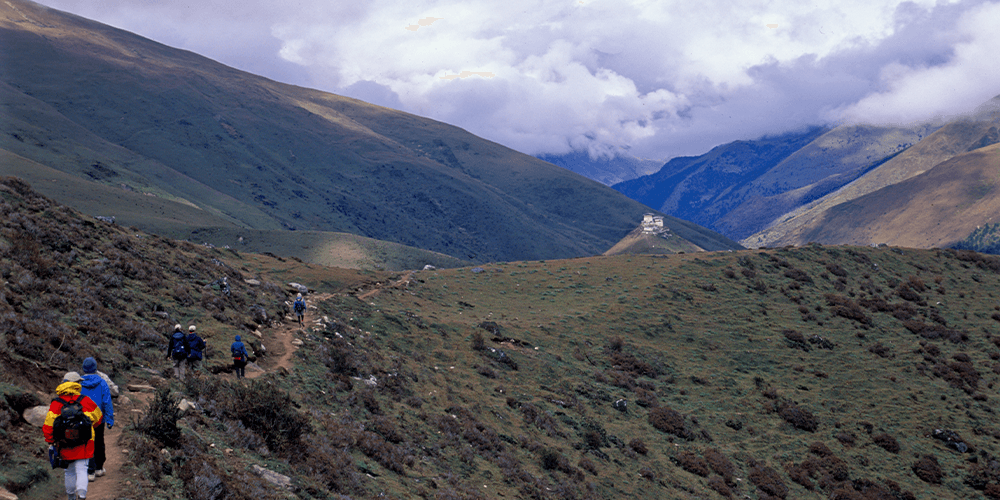
Bhutan offers a wide spectrum of trekking experiences within a relatively compact country. You can walk gentle village paths one day and be surrounded by serious Himalayan terrain the next. This range allows for beginner trekkers to feel relaxed and pace themselves comfortably, while the most experienced hikers will be able to find a challenge without fail.
Also, Bhutan is heavily spiritually and culturally connected, with many trails tied to spiritual sites or allowing you to witness daily village life as you pass through. This truly gives every hike in the country meaning, whether it be your first or tenth.
Q: What should travelers know before trekking in Bhutan?
Preparation is the most crucial thing to keep in mind as you’re planning your trekking journey. For one, the landscape shifts quickly between areas, where you could experience a shaded forest valley and open alpine terrain in the same day. With that in mind, dressing in layers is essential. I suggest starting with a moisture-wicking base layer, adding a warmer mid-layer on top like a fleece or down, and finishing with a wind and waterproof jacket on top.
More important than your clothing is your footwear. Well broken-in hiking boots with solid ankle support are essential as even a small blister can lead to days of uncomfortable hiking.
Also, since most of the terrain is uneven, with constant elevation gain/loss, trekking poles can be of great benefit. And, carrying a lightweight daypack, sun protection, and a reusable water bottle round out your basic essentials to bring on your expedition.
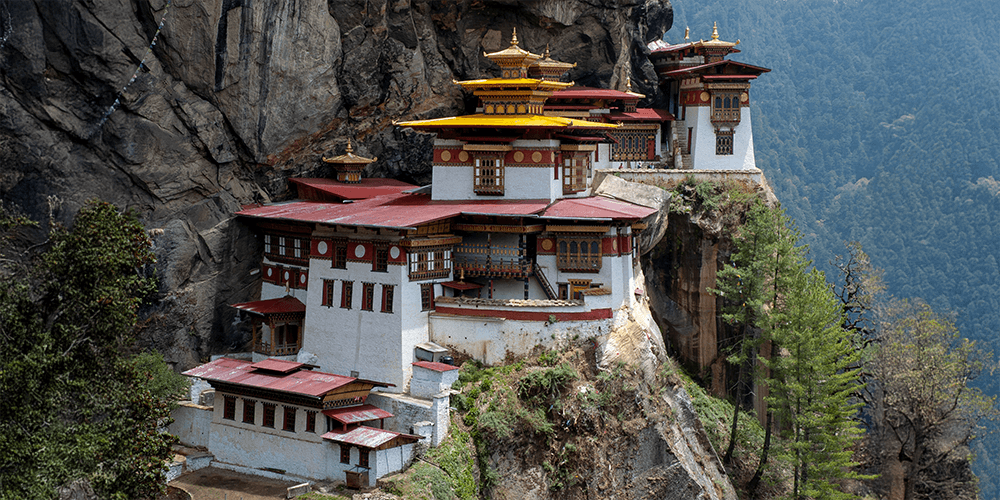
Q: Is the Tiger’s Nest hike suitable for first time hikers?
Absolutely. The hike to Tiger’s Nest is often people’s first experience trekking in Bhutan, and it is a wonderful introduction. The trail offers a steady climb through pine forest with natural resting points scattered along the way. As you explore, you will reach small tea houses that offer moments of rest and a chance to really take in the scenery.
This hike requires moderate fitness, but it is not technical. Less connected to speed and conquering a robust trail, this hike feels deeply spiritual. For myself, and many others I have traveled the trail with, reaching the temple complex often washes a powerful, emotional feeling over you. It is a trail that invites reflection.
Q: Are there other easy or moderate trails in the Paro region?
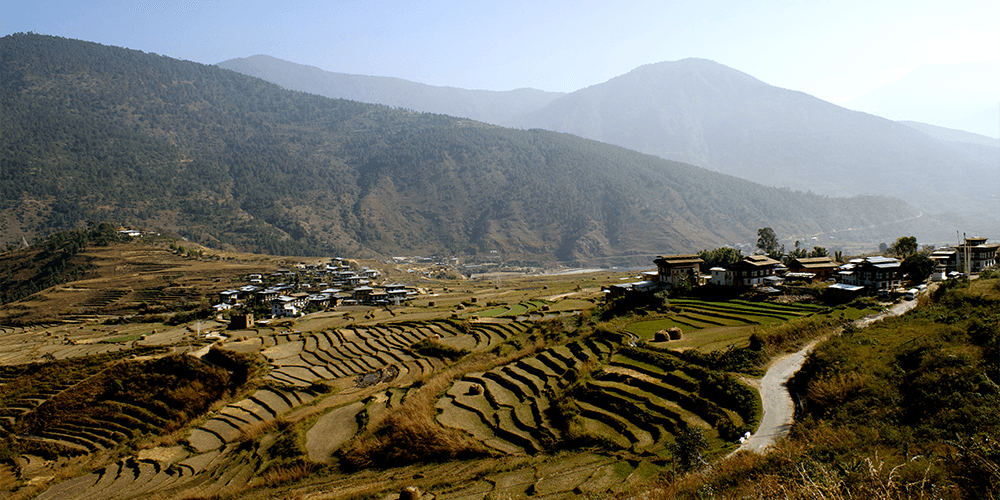
Yes, and it is a shame how often they are overlooked. The Paro valley has a network of walking trails that traverse through farmland and forested hillsides, all while getting to see village life on your route. These paths are perfect for a view into everyday life – you may spot farmers working their fields or children walking home from school. If you are looking for movement without strain, all while desiring to grow greater connection to Bhutan during your travels, this region is perfect for you.
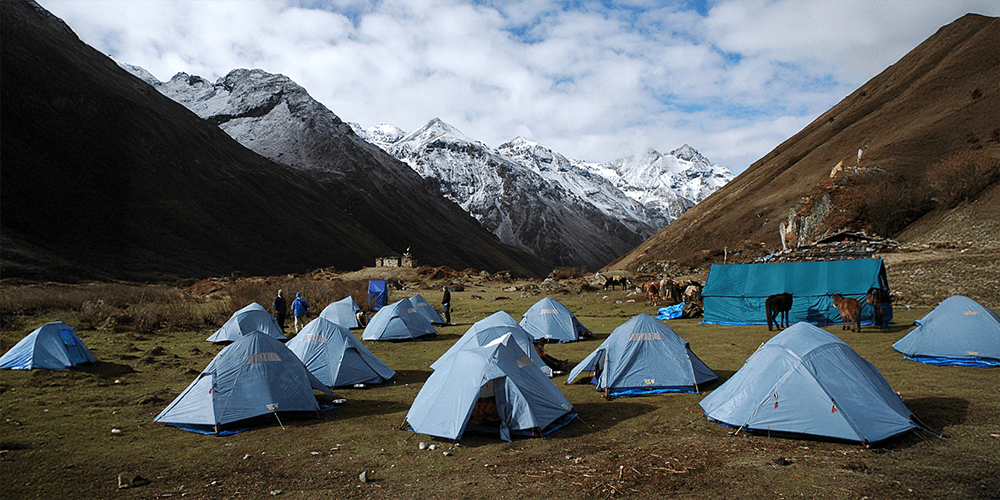
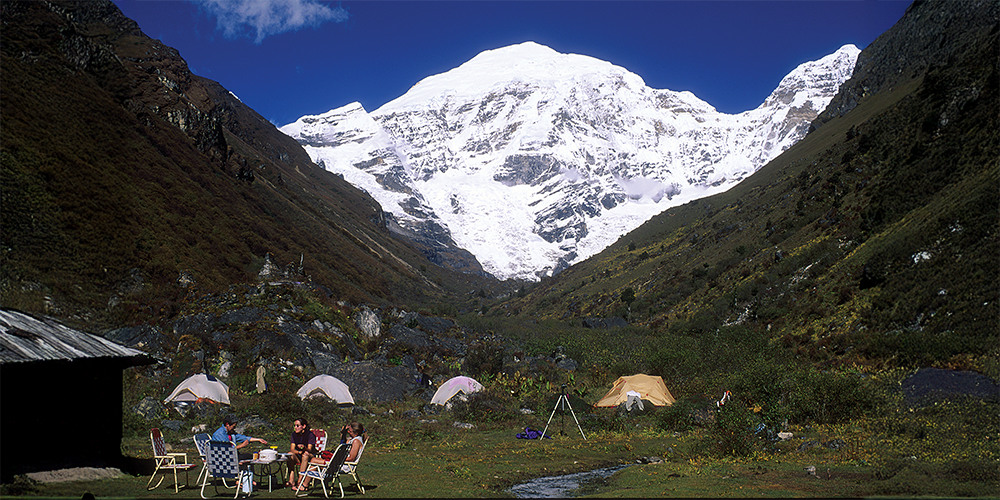
Q: What can travelers expect from trekking near Mt Jomolhari?
Trekking in this area is a great step deeper into Bhutan’s wild landscapes. Although the mountain rises to over 23,000 feet, most treks focus on the surrounding valleys and passes rather than technical climbing.
These routes can be challenging, but they are well designed in our itineraries. Elevation gain is gradual and rest days are built in to help with acclimatization. Logistics are always handled behind the scenes.
The whole area is incredibly spiritual. Many believe Jomolhari to be the dwelling place of protective deities. Keeping that in mind as you traverse the land makes the journey have far more depth and meaning.
Q: The Snowman Trek is often called one of the hardest treks in the world, why is that?
This trek is demanding, pulling challenges from both its length and altitude, and given further difficulty due to how remote the area is. It crosses multiple high Himalayan passes, many of which rise well above 16,000 feet, and move through wild landscapes with little to no villages.
Careful planning around narrow weather windows is a must, but it also requires mental resilience and physical conditioning. This trek tests both your mind and body, and although challenging, is incredibly transformative. Life on the trail is reduced to the basics – walking, breathing, eating, resting. It is a true connection back to humanity in its rawest form, and for experienced and dedicated trekkers, it is something to put on your bucket list.
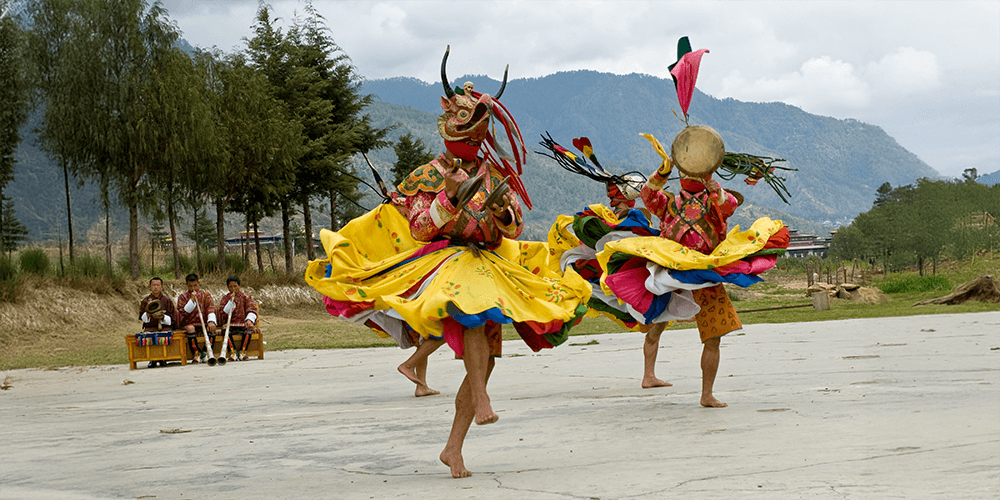
Q: Are there trekking options that focus more on culture and spirituality than endurance?
Yes, and these are some of my favorite routes. Bhutan has many sacred summit and hidden trail hikes that bring cultural and spiritual connection into primary focus. They often lead to remote monasteries, hermit caves, or hilltop temples that are still actively used. Often only moderately difficult, they are suitable for a wide range of travelers.
Q: What is the first step for someone interested in trekking in Bhutan?
Look within and determine what experience you are seeking. Maybe it is a single meaningful hike like Tiger’s Nest or maybe it’s a multi-day trek near Jomolhari. Maybe you are ambitious and seek out the Snowman’s Trek.
Once you have connected with a journey, we tailor everything around fitness level and season, and work to align an itinerary with your personal goals. When someone is ready to experience Bhutan on foot, we are here to help shape that journey thoughtfully and with care.