Sacred Places Across the Himalaya: A Journey Through Spiritual Landscapes
The Himalaya is home to some of the world’s most significant sacred places, but their importance is not defined by temples or monasteries alone. Across Nepal, Tibet, and Bhutan, mountains, monasteries, and pilgrimage routes have shaped religious traditions for centuries. Many of these places remain active today, welcoming pilgrims and preserv

Unsung Heroes: Women Who Moved Across Landscapes
Some stories don’t arrive all at once. You come across them in pieces. A name mentioned in passing. A photograph without much explanation. A line in a report that seems more important than the space it’s given. In places like Mongolia, Ladakh, Bhutan, Nepal, and Tibet, that happens often. These are landscapes people like to […]
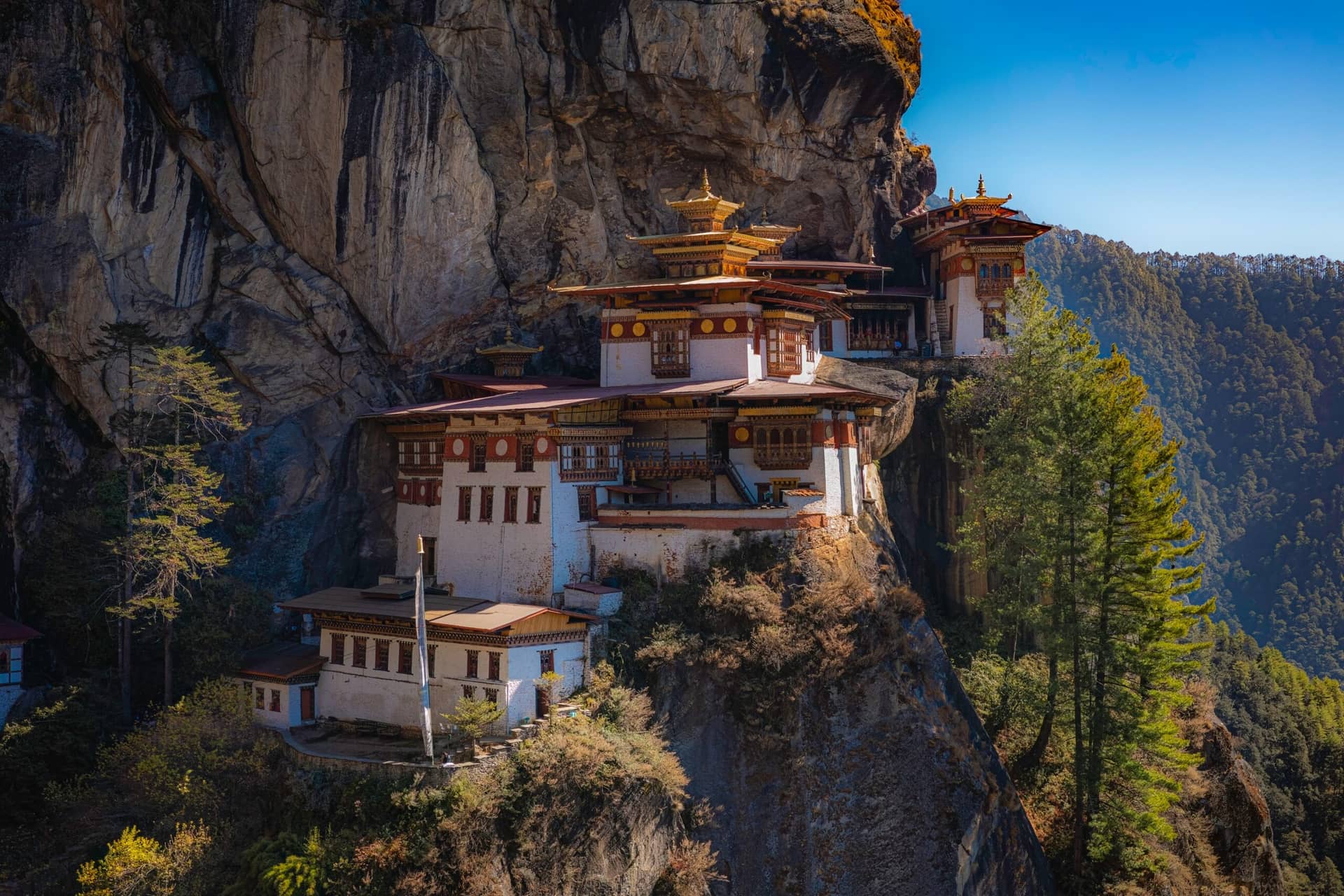
What to Know Before Visiting Bhutan, from a Local Guide
Our guide Singye reflects on what travelers should know People often ask me what they should know before visiting Bhutan. I usually tell them it depends on the kind of traveler they are. If you’re someone who likes to plan every hour of every day, Bhutan might challenge you in the best way. This is […]
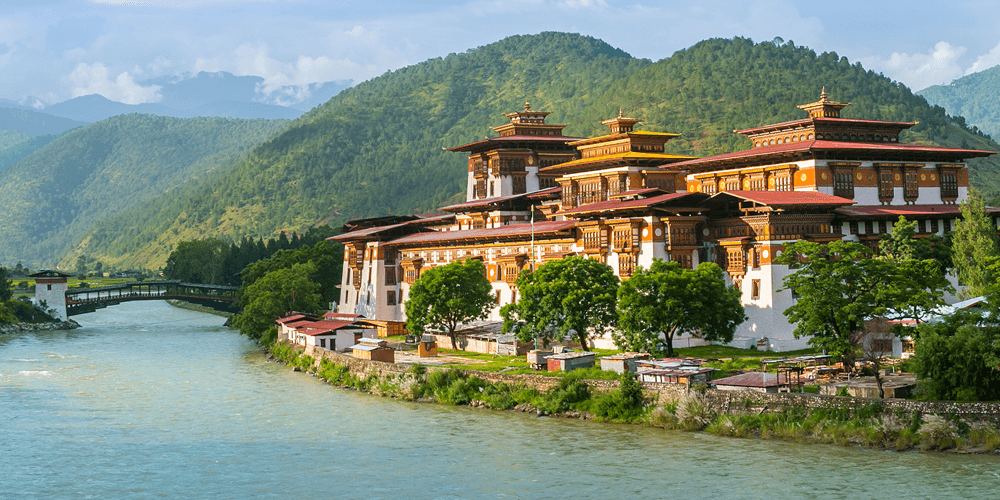
The Essential Guide to Wellness and Spiritual Experiences in Bhutan
In a world that’s constantly in motion, the idea of rest can feel out of reach. That is what makes wellness and spiritual experiences in Bhutan so powerful. Tucked into the Eastern Himalaya, this small kingdom has built its identity around inner wellbeing and connection to nature.

Festivals of Nepal
Nepal’s festivals highlight a rich blend of spirituality, cultural heritage, and community pride. Throughout the year, vibrant celebrations bring families and neighbors together to honor history, religion, and local identity. Three of Nepal’s most meaningful festivals are Biska Jatra, Buddha Jayanti, and Dashain. Each offers travelers an authen

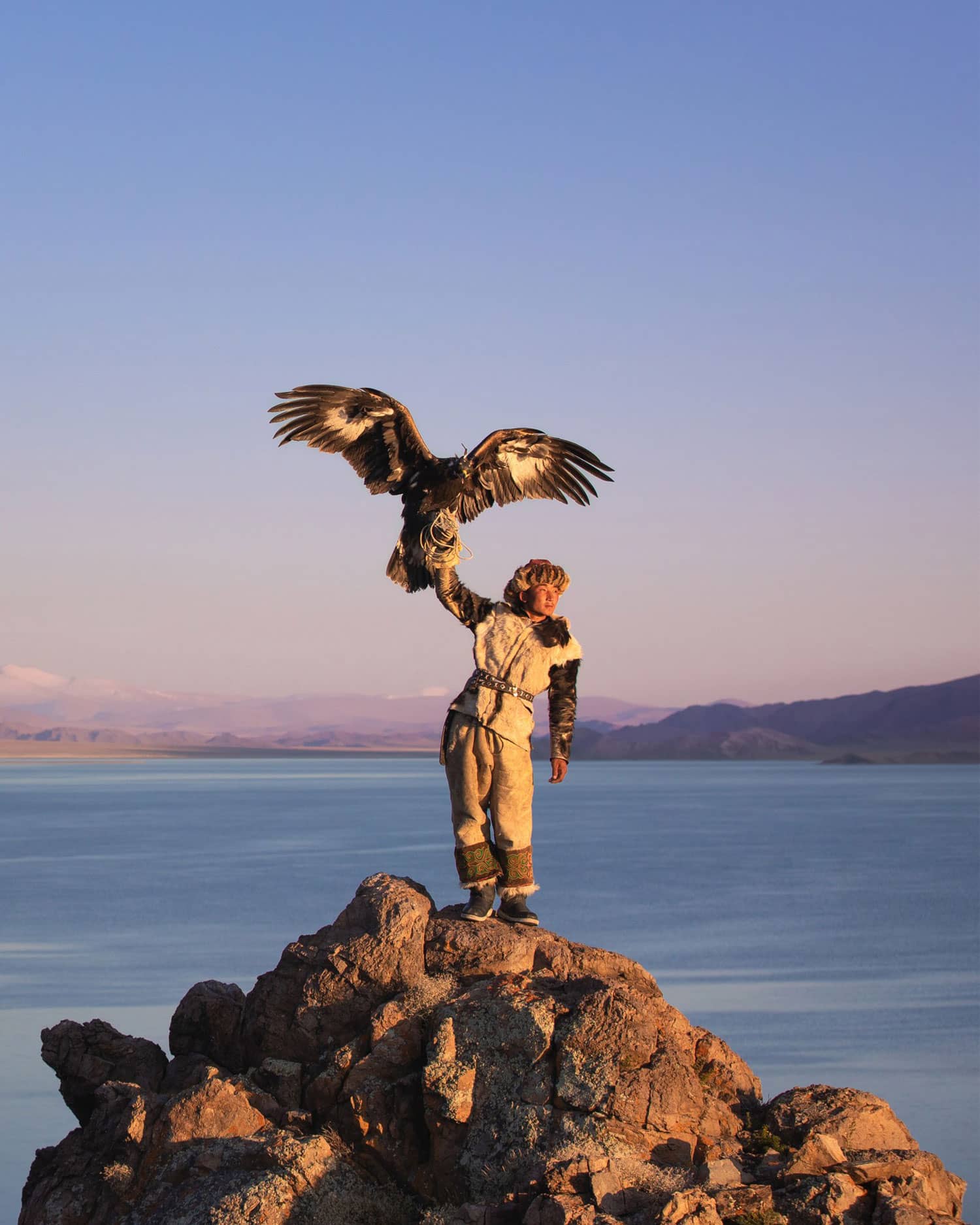
Step Inside Mongolia’s Golden Eagle Festival 2025
If you’ve ever dreamed of witnessing a culture where courage, artistry, and nature unite, the Golden Eagle Festival in western Mongolia offers that rare experience. Every October, the sweeping steppe of Bayan-Ölgii Province becomes a gathering place for eagle hunters, travelers, and storytellers who share a passion for tradition and discovery.

Festivals of Tibet
Tibet’s festivals reflect deep spirituality, artistic heritage, and strong community ties. Each event offers a meaningful window into Tibetan culture and the values that shape daily life across the region. Three of the most significant celebrations are Losar, Shoton, and Saga Dawa. Together they highlight the unique blend of faith, art, and tradi

Understanding Culture Through the Traditional Garments of Asia
Picture yourself wandering through a market in Asia. Bright fabrics flutter in the breeze, each color and stitch hinting at a story. Without a word spoken, you already feel you’re learning something about the people who live here. That’s the magic of traditional garments. They carry centuries of wisdom about survival, artistry, and identity all

10 Landmarks That Make the Gobi Desert Unforgettable
The Gobi Desert stretches across half a million square miles of Mongolia and northern China, ranking as the world’s sixth largest desert. Its significance lies not only in scale but in what it preserves: Cretaceous fossil beds, hardy ecosystems, and a cultural crossroads where nomadic traditions endure.
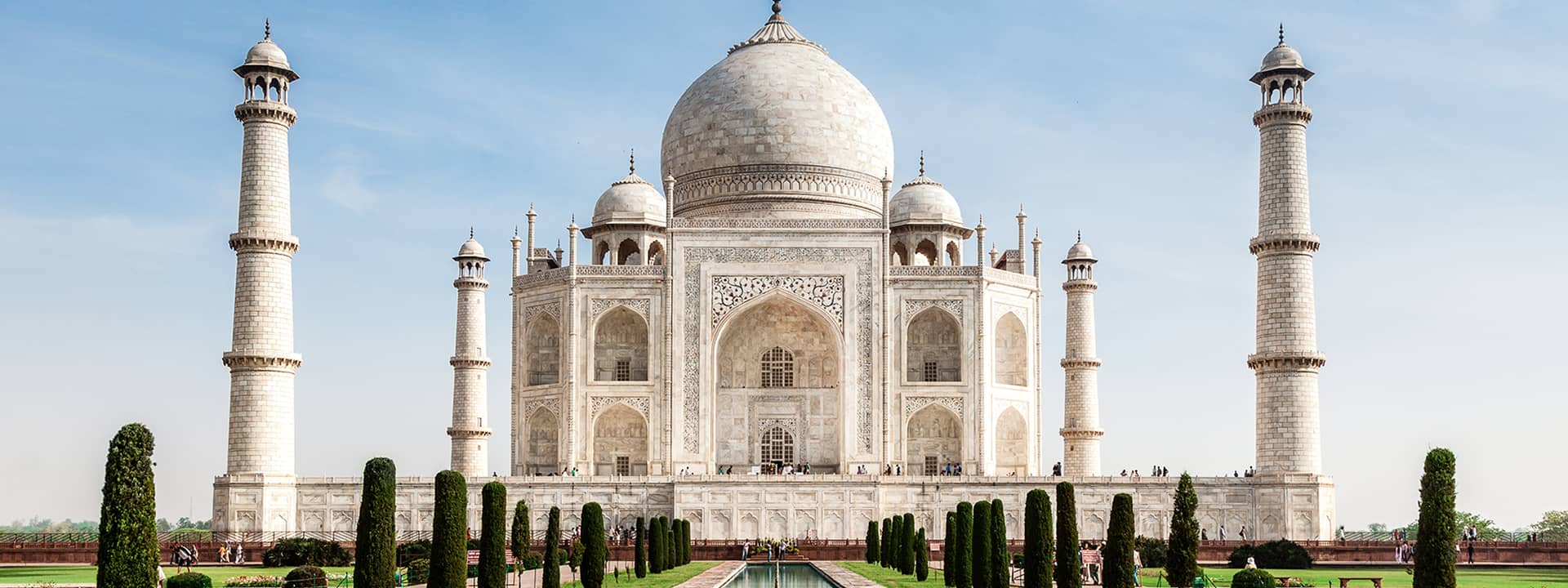
Traveling to India: 5 Famous Sights with Stories You’ll Never Forget
If you have been dreaming of traveling to India, certain images may already live in your mind: the Taj Mahal glowing at sunrise, Jaipur’s rosy palaces, or the sacred steps of Varanasi along the Ganges.

Best Time to Visit Asia: Weather, Festivals, and Adventure
Asia is a place that refuses to be defined by just one image. Towering Himalayan peaks, wide open deserts, lush jungles, and windswept plateaus all share the same continent, yet each feels like an entirely different world.
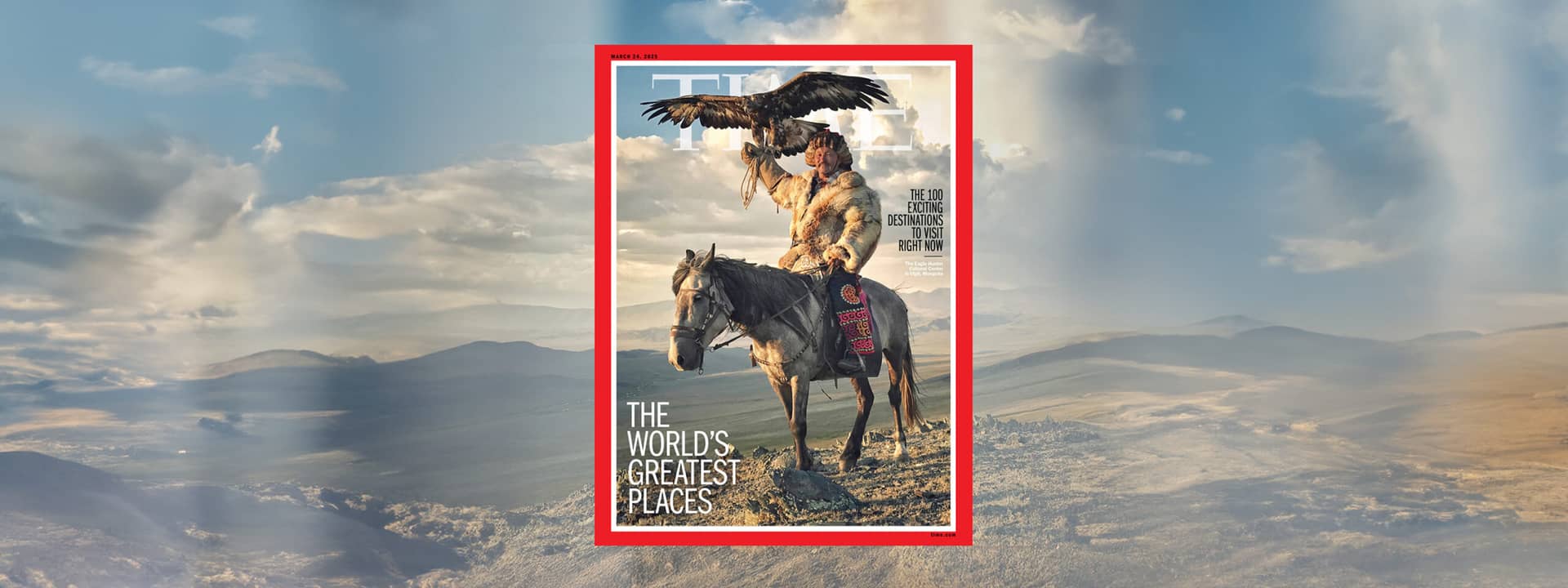
Nomadic Expeditions Featured in TIME’s “World’s Greatest Places 2025”
We are honored to be recognized in TIME’s World’s Greatest Places 2025, a prestigious distinction celebrating the most extraordinary destinations around the globe. What makes this recognition even more special? The cover of this edition features Mongolia’s legendary eagle hunters, a tribute to a tradition that has endured for centuries.
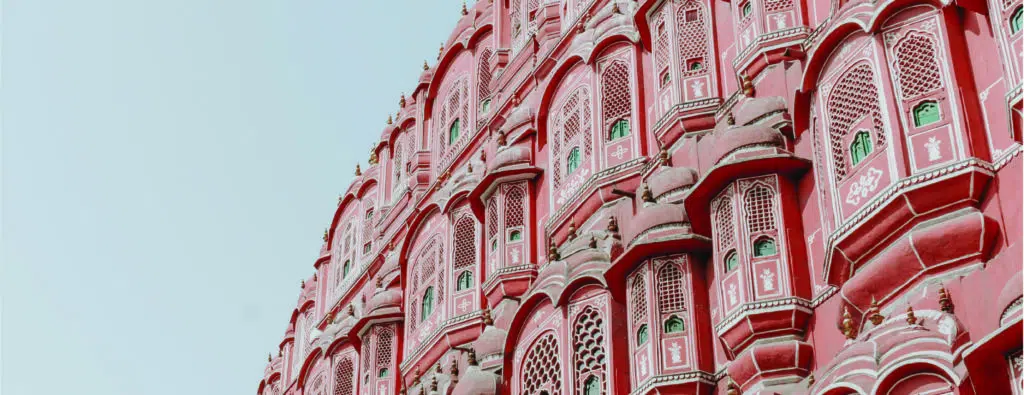
Best Cultural Places to Visit in India | The Last Millennium
India has the sixth largest number of UNESCO World Heritage sites in the world. While celebrated as one of the lands where civilization reached its first extraordinary heights, the last millennium has seen India adorned by a profusion of crowning architectural masterpieces.
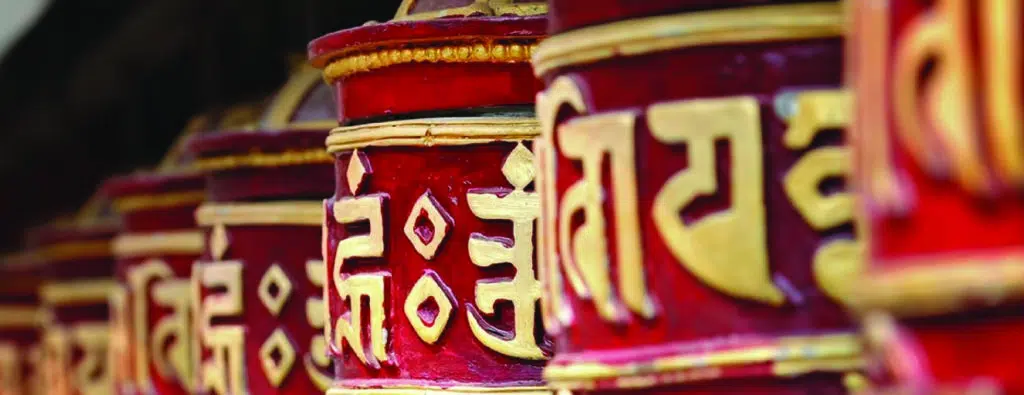
Cultural Norms of Bhutan: Do’s and Don’ts
While Bhutan is a rapidly modernizing with a growing prominence especially as a leader in sustainability initiatives, the country is thoughtful about those from the outside influence their culture and customs. The secluded Himalaya kingdom is deeply rooted in Buddhism and values happiness over possessions. Travelers experience a very hospitable peo
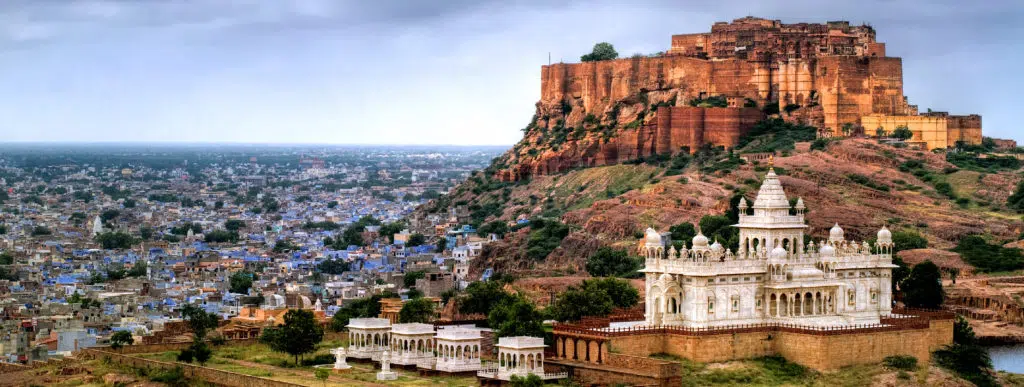
Best Cultural Places to Visit in India | The Birth of Civilization to Medieval Times
Of the countless life-changing places to visit in India, so many date back to the early heights of civilization and serve as their own historical record of those eras. Carved into caves and upon the faces of immense stone are histories, legends, and exultations that connect us to the early cultures of this vast subcontinent.
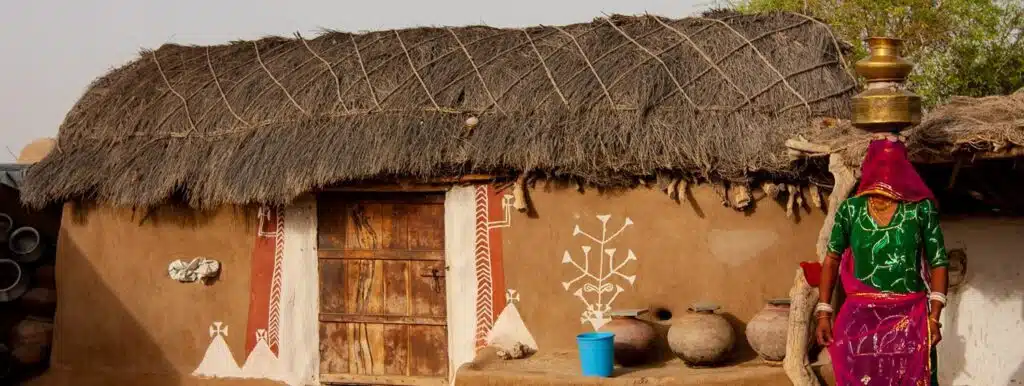
The Norms of India: How to Travel Confidently Among Different Cultural Norms
First-time travelers to India may feel intimidated by the cultural differences and various norms of this subcontinent of nearly 1.4 billion people. Seen from afar, the different cultural norms may seem very strange. But we at Nomadic Expeditions provide the leading destination experts in India, as well as the top travel guides. Along with several [
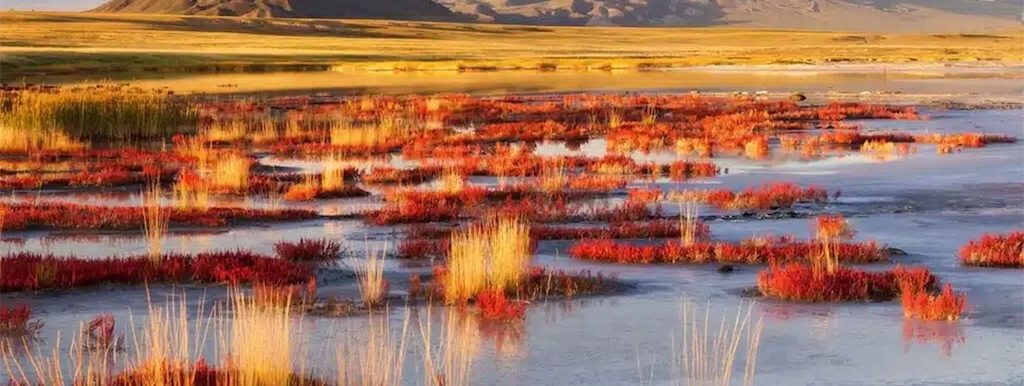
UNESCO World Heritage Sites of Mongolia
Mongolia proudly has five such sites, with another 12 on the tentative list. Ranging from relatively small monument sites to vast tracts of natural landscape, these locations embody Mongolia’s heritage as our legacy and key to our past—places we absolutely must pass on to future generations—irreplaceable cultural and natural sources of life a
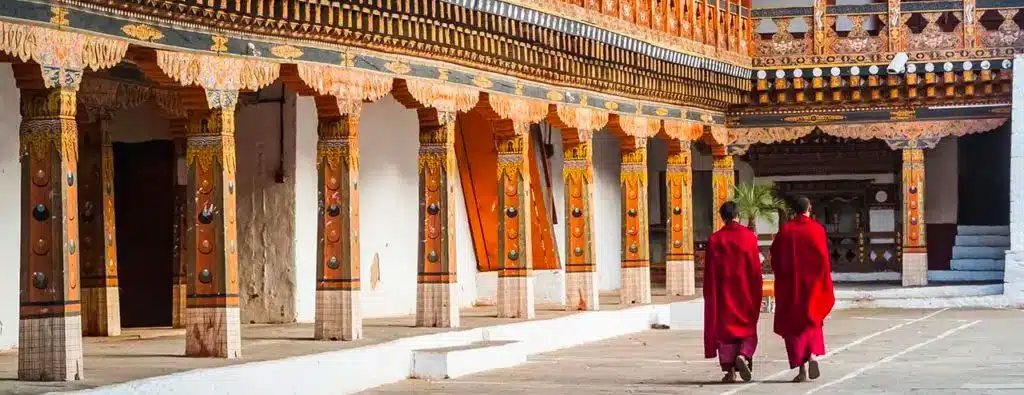
UNESCO World Heritage Sites of Bhutan
The United Nations Educational, Scientific and Cultural Organization (UNESCO) has placed eight sites on the tentative list for the small Himalayan nation of Bhutan. UNESCO designates places as unique and diverse as the Pyramids of Egypt, the Great Barrier Reef in Australia and the grand cathedrals of Europe—and it is only a matter of time before
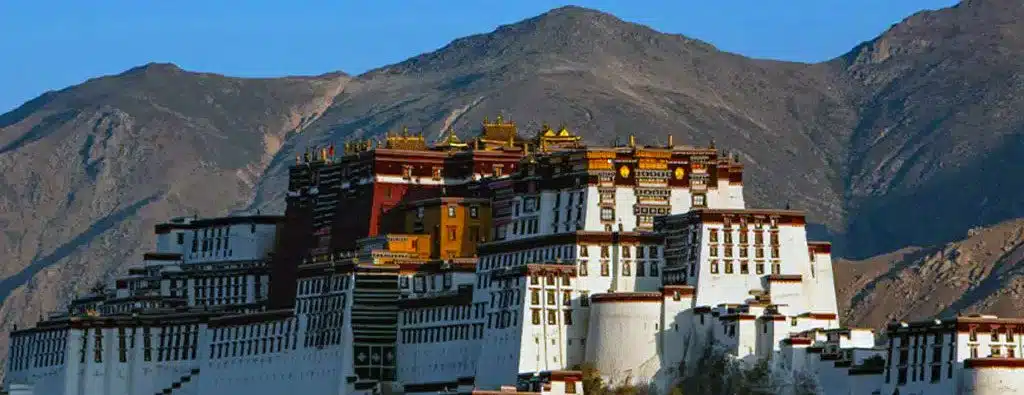
UNESCO World Heritage Sites of Tibet
Although technically an autonomous region of China, Tibet has been recognized by the United Nations Educational, Scientific and Cultural Organization (UNESCO) as home to three World Heritage Sites. All of which may be found in the capital city of Lhasa—plus one Tentative listing, the Yalong region, which is the cradle of Tibetan culture. The thre
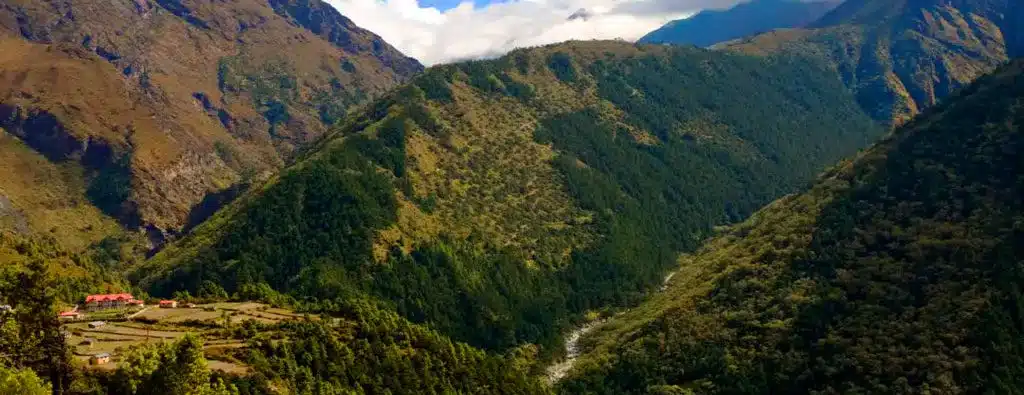
UNESCO World Heritage Sites of Nepal
Visiting Nepal’s four UNESCO World Heritage Sites is like traveling backwards in time—seeing the birthplace of Lord Buddha, touring the ancient monuments of long-ago dynasties dedicated to Hindu and Buddhist deities, and visiting national parks whose headwaters provide flowing life for so much of a vast region. From intricately carved architect
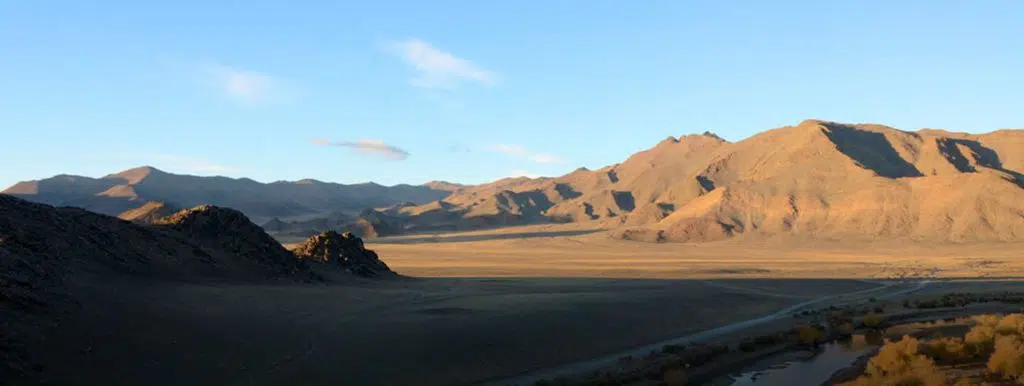
Mongolian Throat Singing Demystified
No one can say for sure when the art form of throat singing began. The historical records mention it as early as the Han Dynasty, between 206 – 220 BC. Throat singing then appears in Chinese texts dating in 92 AD. From these accounts, we learn that the northern barbarians who worshipped the wolves sang […]
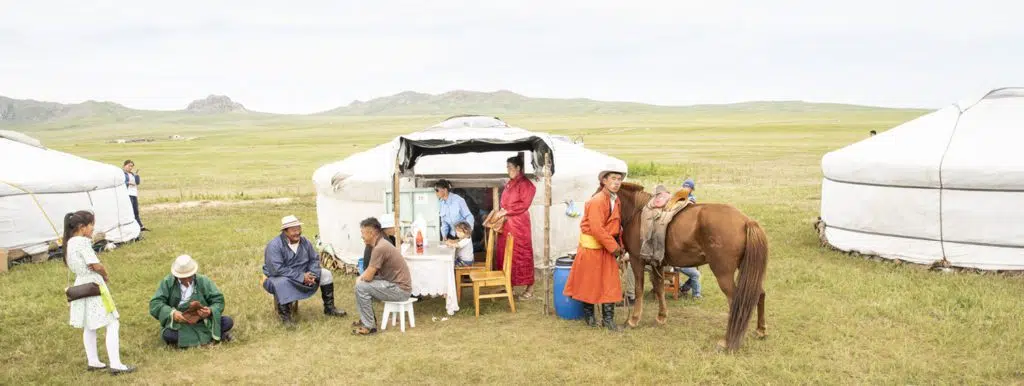
Pack a Sense of Humor and an Appetite: Mongolia’s Cultural Norms, Explained
Giving a “thumbs up” in the United States is a sign of approval, but it’s considered rude, or even obscene, in Iran, Greece and Russia. Who knew you could get yourself in trouble simply by making a slight hand gesture? Curious to learn what other signs are considered bad behavior around the world? Read more. Every […]

Sacred Places Across the Himalaya: A Journey Through Spiritual Landscapes
The Himalaya is home to some of the world’s most significant sacred places, but their importance is not defined by temples or monasteries alone. Across Nepal, Tibet, and Bhut
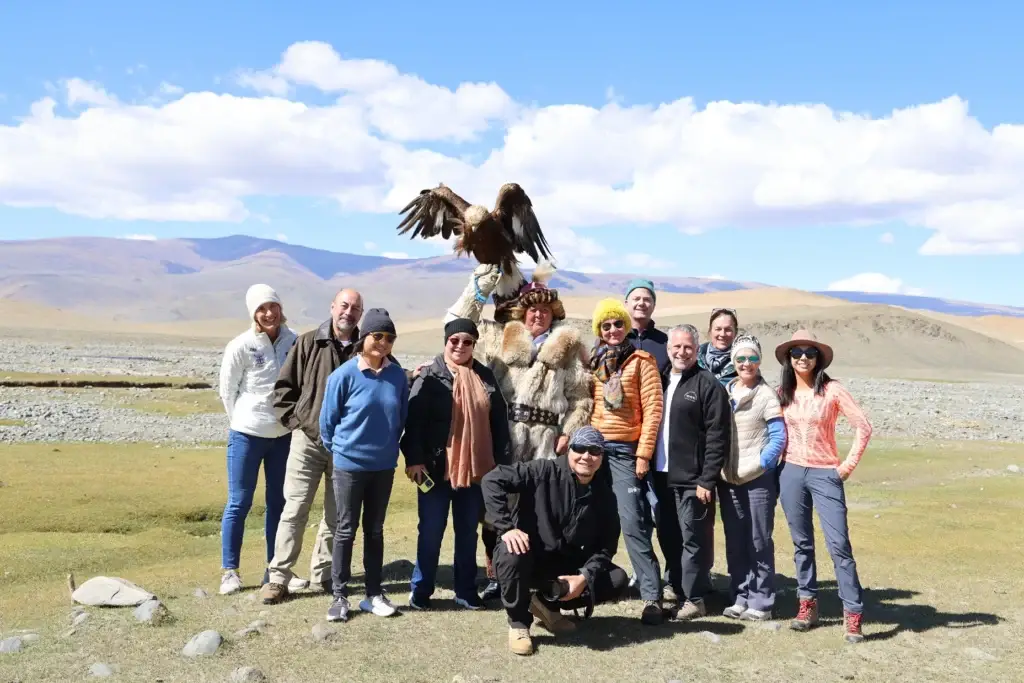
Why Small Group Travel Creates More Meaningful Journeys
A traveler returned from Mongolia and, when asked about the highlights of the journey, did not begin with the Gobi Desert. They did not mention the eagle hunters of the Altai Mount
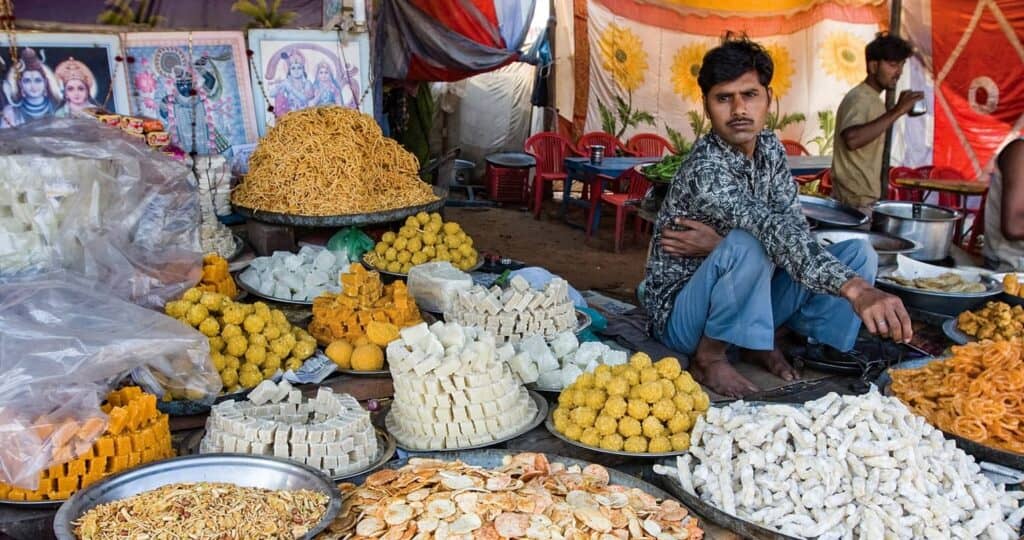
How India’s Landscapes Shape Its Regional Cuisines
India’s food is often introduced through dishes that have become globally familiar, butter chicken, biryani, naan. But across the country, regional cooking tells a far more layer
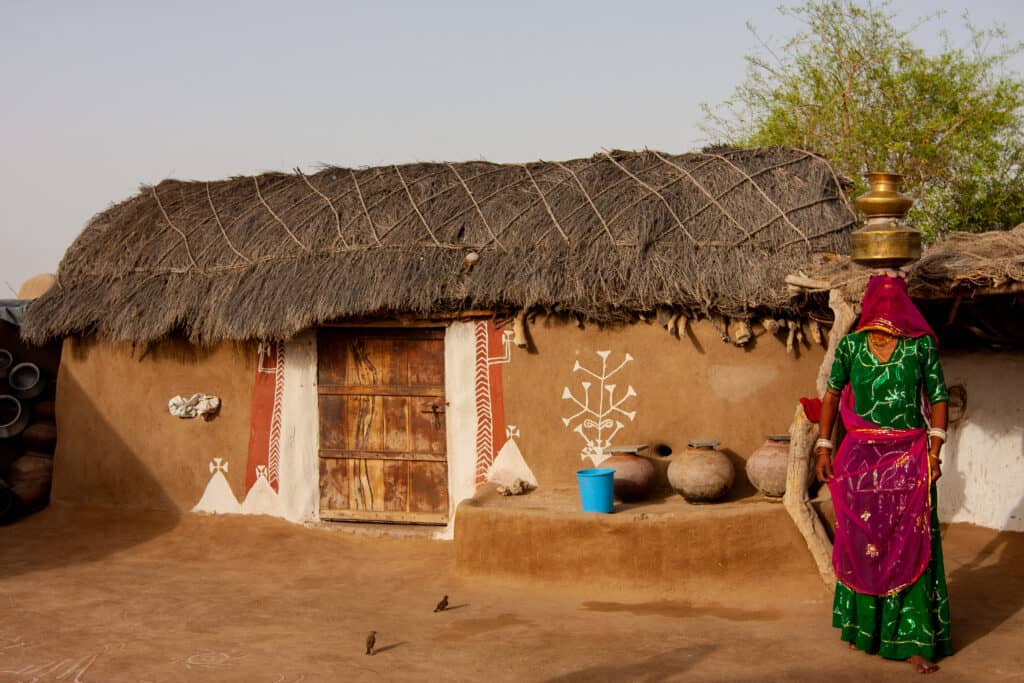
An India Travel Journey Through the Eastern Himalaya, the Northeast, and Rajasthan
There are journeys that introduce you to India, and others that change how you understand it. This India travel journey belongs firmly to the latter. It does not attempt to summari
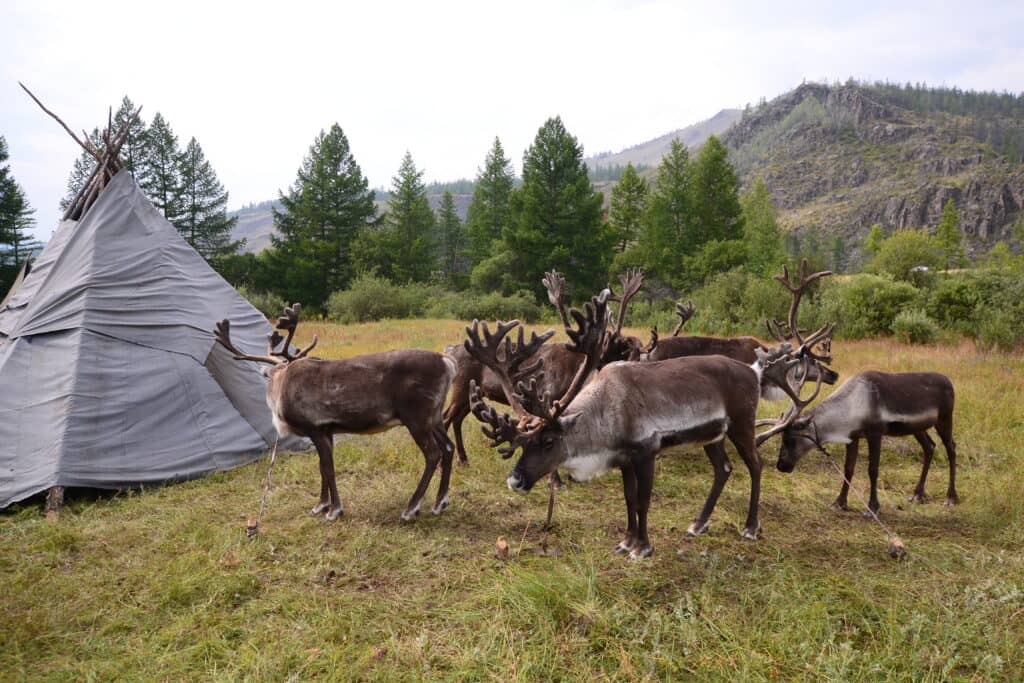
Guardians of the White Reindeer: A Journey into Mongolia’s Northern Taiga
In Mongolia’s northern taiga, small clearings open within the forest, where urts stand among larch trees and reindeer move at the edge of camp. Morning activity begins before the
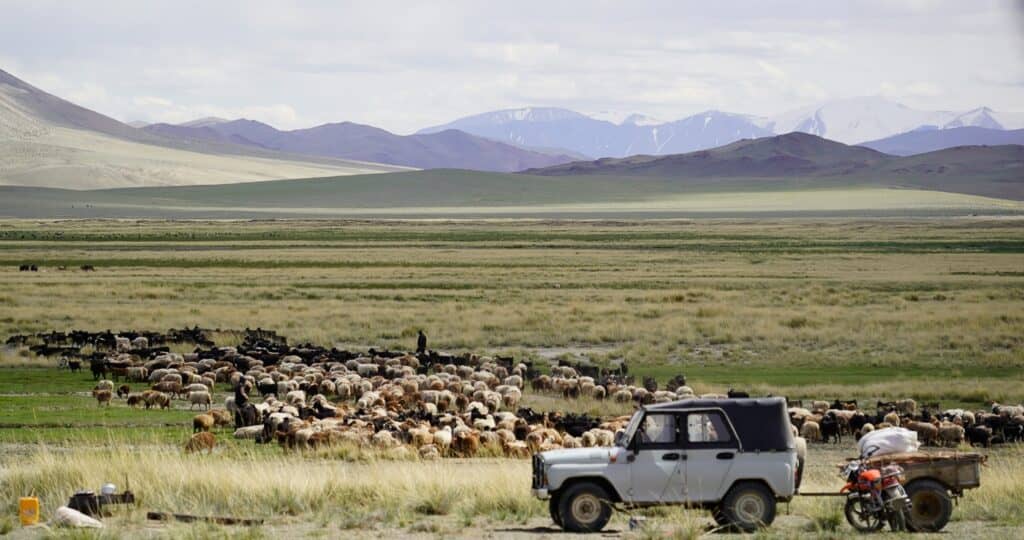
Unsung Heroes: Women Who Moved Across Landscapes
Some stories don’t arrive all at once. You come across them in pieces. A name mentioned in passing. A photograph without much explanation. A line in a report that seems more impo

What to Know Before Visiting Bhutan, from a Local Guide
Our guide Singye reflects on what travelers should know People often ask me what they should know before visiting Bhutan. I usually tell them it depends on the kind of traveler the
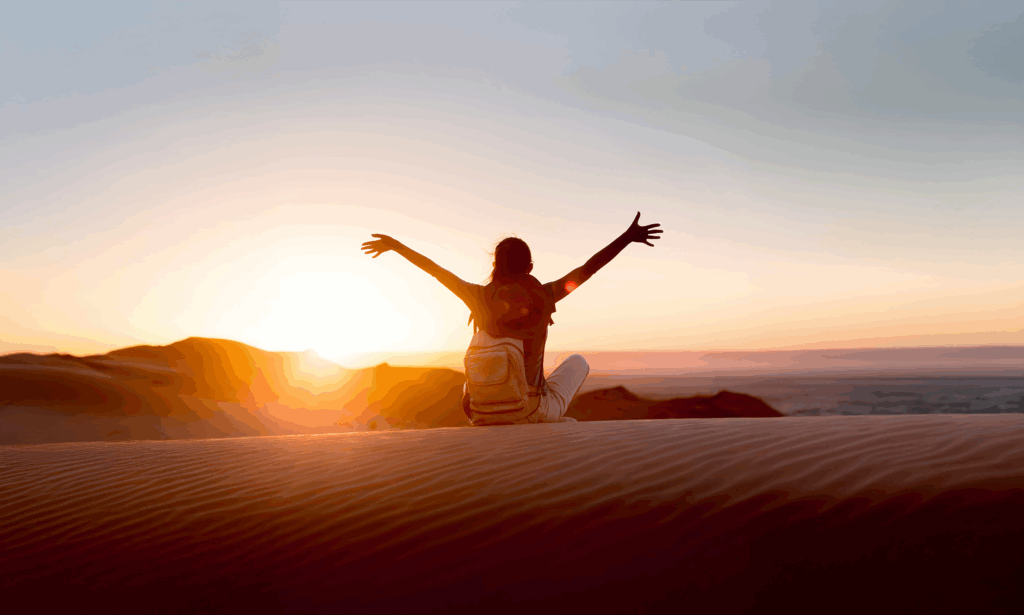
How to Plan a Perfect Luxury Vacation to Asia, According to Asian Travel Experts
Planning a luxury vacation to Asia is one of those rare ideas that keeps getting better the more you sit with it. The region offers an incredible range of experiences, from vast de
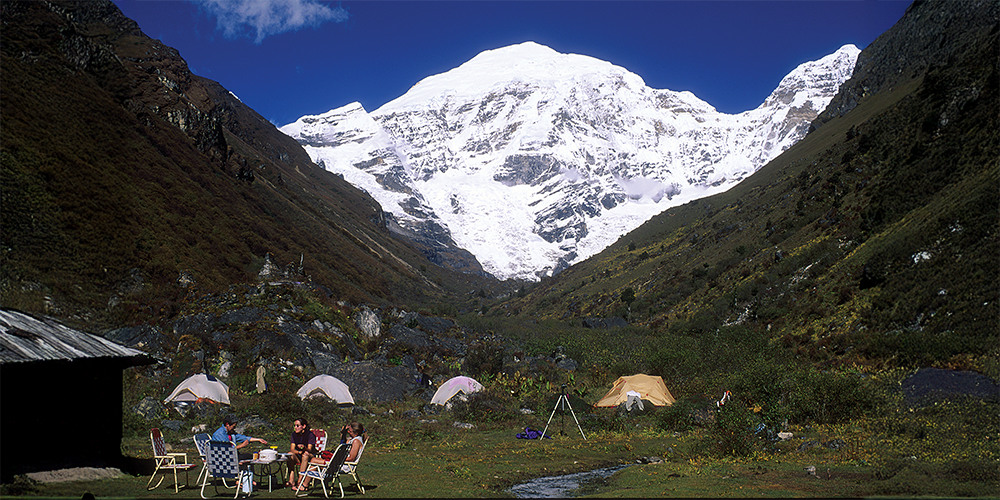
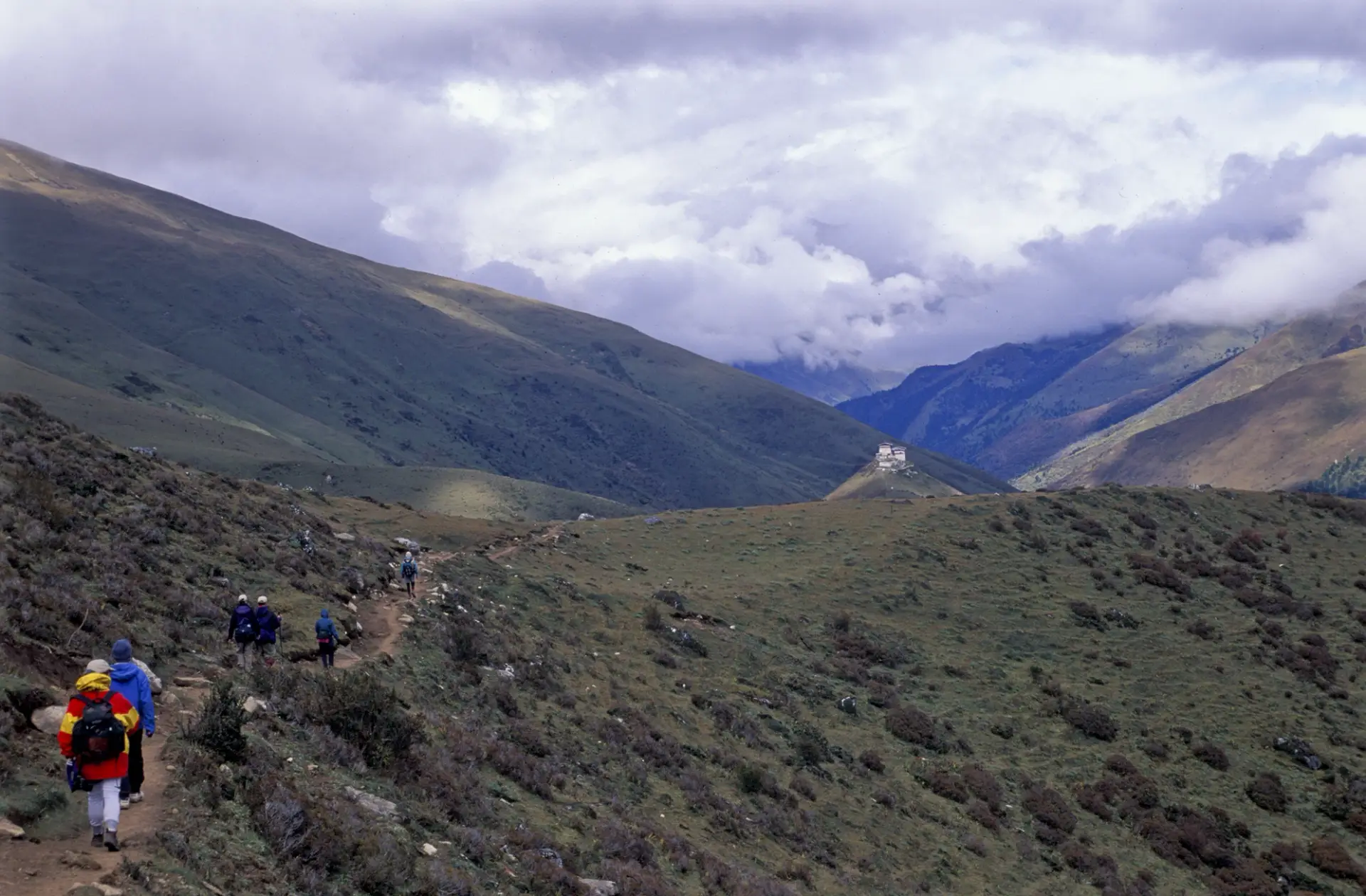
Trekking in Bhutan: A Conversation with Sanjay Saxena
We sat down with Sanjay Saxena, who has been hiking in Bhutan since the late 1970s when the country first opened to tourism, to get his insights on all things trekking in the count
The Essential Guide to Wellness and Spiritual Experiences in Bhutan
In a world that’s constantly in motion, the idea of rest can feel out of reach. That is what makes wellness and spiritual experiences in Bhutan so powerful. Tucked into the Easte
Festivals of Nepal
Nepal’s festivals highlight a rich blend of spirituality, cultural heritage, and community pride. Throughout the year, vibrant celebrations bring families and neighbors together
Step Inside Mongolia’s Golden Eagle Festival 2025
If you’ve ever dreamed of witnessing a culture where courage, artistry, and nature unite, the Golden Eagle Festival in western Mongolia offers that rare experience. Every October