A First-Timer’s Guide to Traveling in Bhutan
If Bhutan has been sitting quietly on your travel wish list, now might be the time to bump it straight to the top. Traveling to Bhutan is easier than ever, and the rewards are bigger than you might imagine. This tiny Himalayan kingdom offers more than postcard-perfect mountain views. Here, spirituality shapes daily life, traditions are lived rather than displayed, and nature is not just preserved but deeply respected.
For years, Bhutan was seen as one of the most exclusive destinations in the world. Its policy of high-value, low-volume tourism meant that only a small number of travelers got to experience it each year. That is still true in part, but recent changes to entry requirements and tourism fees have made it simpler for visitors to plan a trip. You still get the peaceful, uncrowded charm, all without quite as much red tape.
What makes Bhutan magical is not only its scenery but also how seamlessly culture, spirituality, and nature intersect. Imagine wandering through centuries-old monasteries, watching monks in deep meditation, or hiking to a cliffside temple shrouded in clouds. Pair that with hearty meals, warm hospitality, and the thrill of seeing Himalayan peaks that stretch into forever.
If you’re considering your first trip here, think of this as your personal insider’s guide—the kind that skips the fluff and gets straight to what you really need to know.

Taksang Monastery, Paro, also known as Tiger Nest Monastery is situated on a steep rock cliff of a mountain in Bhutan. Himalaya, Tibet, Bhutan, Paro Taktsan, Taktsang Palphug Monastery
Understanding Entry and Travel Requirements
It’s easier to visit Bhutan now than it has been in decades. While the country still maintains its “high-value, low-impact” tourism model, updates to the Sustainable Development Fee (SDF) and a more flexible visa process have removed some of the traditional hurdles.
Currently, travelers pay a daily SDF, which supports environmental conservation and cultural preservation. As of 2024, the fee has been reduced for many visitors, and certain regional passes make multi-day stays more affordable. Processing times are also faster, making spontaneous or last-minute trips far more realistic than before.
Flights to Bhutan are still fairly limited, with Paro International Airport being the only international entry point. The flight itself, however, is part of the adventure. On clear days, you’ll see snowcapped Himalayan peaks out your window, including Everest. It’s also worth noting that for those coming from India, Nepal, or Thailand, there are even more frequent routes and sometimes lower fares!
One important thing to know is that independent travel is now more accessible, although many still choose guided tours. We may be biased, but a guided experience is definitely worth it, especially for first-time visitors who want to focus on enjoying the journey rather than navigating logistics.
Traveling in Bhutan is about more than just reaching the sights. Every step—from your arrival to your first shared meal—offers a glimpse into how this country manages to balance welcoming visitors while preserving its identity. That’s a rare combination worth experiencing.

Buddhism prayer flags on the Tiger’s Nest temples (Taktsang), Bhutan
Choosing the Best Time to Visit
Bhutan’s seasons each have their own charm, but some are better suited for exploring than others.
Spring (March to May) is a favorite for many visitors. The weather is pleasantly mild, the hillsides burst into color with blooming rhododendrons, and the clear skies make it perfect for trekking. It’s also a lively time culturally, with festivals like Paro Tshechu bringing masked dances, music, and community gatherings to the streets.
Fall (September to November) is another peak season, thanks to crisp mountain air, reliably clear skies, and panoramic Himalayan views. This is the time to capture those postcard-worthy photos without the haze of summer. Major festivals continue into autumn, making it an ideal season for both outdoor adventures and cultural immersion.
Winter (December to February) might be the most underrated time to visit. While higher elevations can be cold, the valleys remain accessible and pleasantly quiet. Snow dusts the peaks, morning skies are crystal clear, and you’ll enjoy fewer crowds at popular sites. It’s a peaceful season that rewards you with stunning scenery and more intimate experiences.
Summer (June to August) is monsoon season, and while the rain nourishes the land and turns valleys an unbelievable shade of green, it can also make travel trickier. Roads can be muddy, and visibility isn’t always great in the mountains. If your main goal is to trek or move freely between regions, this is not the best time.
For most travelers, the sweet spot falls in spring, fall, or winter. These seasons give you the best mix of good weather, cultural events, and uninterrupted access to Bhutan’s most remarkable landscapes and landmarks.

Giant Buddha, Thimphu, Bhutan
Must-See Landmarks and Destinations
For many travelers, the first image that comes to mind is the Tiger’s Nest Monastery. Perched dramatically on a cliffside 10,000 feet above the Paro Valley, it’s as breathtaking in person as it looks in photos. The hike up is challenging but rewarding, with every turn offering new views of the valley below.
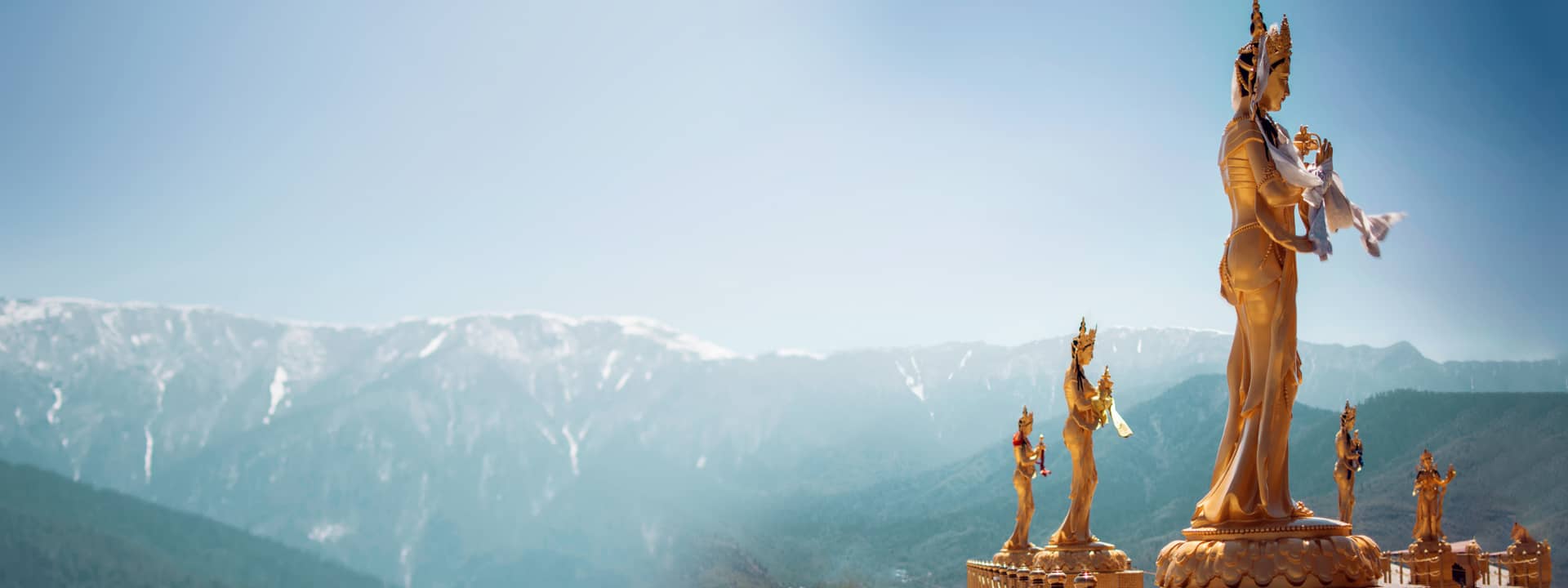
Thimphu, the capital, blends tradition with modern life. You’ll find monasteries and museums alongside bustling markets and cozy cafés. The Buddha Dordenma statue, towering over the city, is an unmissable stop both for the view and the serenity it offers.
Punakha, with its stunning riverside dzong, is often called Bhutan’s most beautiful valley. Its suspension bridges, terraced fields, and mild climate make it a favorite among travelers.
For a more remote experience, head to Bumthang, known as the spiritual heart of Bhutan. This region is home to some of the country’s oldest temples and a slower pace that invites deeper exploration.
Bhutan’s charm lies in its variety. You can spend your morning exploring ancient fortresses, your afternoon hiking through forests, and your evening sipping butter tea by a farmhouse fire. Every stop reveals another side of the country’s personality.

Two buddhist monks at Punakha Dzong, Bhutan
Cultural Etiquette and Local Customs
One of the joys of traveling in Bhutan is engaging with its warm and welcoming people. That said, being mindful of local customs will make your experience even richer.
Dress modestly, especially when visiting religious sites. Shoulders and knees should be covered, and removing your shoes before entering temples is expected. Photography is generally allowed outside but may be restricted indoors, so we recommend always asking before taking pictures!
Bhutanese people are well-known for being friendly and curious, but they do also value politeness and humility. A warm greeting or a genuine smile goes a long way. If you’re invited into someone’s home, it’s customary to accept at least a small offering of food or drink, even if you’re not hungry.
Meals are typically enjoyed seated on the floor, and it’s polite to wait until the host signals to begin eating. Don’t be surprised if you’re served spicy dishes—chilies are a staple here and often treated as a vegetable rather than seasoning.
Learning a few phrases in Dzongkha, the national language, can also go a long way with connecting with locals! Even simple words like “kuzuzangpo” (hello) are generally met with smiles.
Respect for traditions is woven into daily life in Bhutan. By observing and participating with genuine interest, you not only enrich your own trip but also honor the culture that makes this place so special.

Himalaya High Altitute Mountain View, the thousand lakes, Dagala, Thimphu Bhutan
Outdoor Adventures and Treks
Bhutan’s trails range from short, scenic hikes to multi-week expeditions that challenge even seasoned trekkers. The journey to Tiger’s Nest is a must for almost every visitor, but it’s only the beginning.
For those seeking multi-day adventures, the Druk Path Trek is a favorite. It connects Paro and Thimphu over several days, passing alpine lakes and offering panoramic Himalayan views. More ambitious travelers might consider the Snowman Trek, one of the most challenging in the world, which takes you deep into remote mountain terrain.
Even if trekking isn’t your focus, Bhutan offers countless opportunities to enjoy the outdoors. Nature walks through pine forests, rafting on the Pho Chhu River in Punakha, or cycling through valleys are all possible. The country’s strict environmental protections mean that landscapes remain pristine, with wildlife sightings a real possibility.
No matter your activity level, being outdoors in Bhutan is about connection. You’re not just looking at scenery; you’re immersed in it. From the scent of pine on a high-altitude trail to the quiet rustle of prayer flags in the wind, nature here has a way of slowing you down and drawing you in.

The Jasha Maru (Bhutanese style Chicken curry )The Bhutanese food at Phahurat Market (Indian Market )in Bangkok Thailand
Food and Culinary Experiences
Bhutanese cuisine is as bold and inviting as the landscapes. The national dish, ema datshi, combines local chilies with homemade cheese in a spicy, creamy stew that you’ll likely encounter daily. Other favorites include momos (steamed dumplings) and jasha maru, a flavorful chicken dish often paired with red rice.
Meals are so much more than nourishment here. They’re moments of connection. Whether you’re dining in a family farmhouse or at a small café in Thimphu, you can expect generosity and warmth. It’s common for locals to encourage you to try more, even if you’ve already had seconds.
Markets are a great place to explore Bhutanese flavors. In Thimphu’s weekend market, stalls overflow with fresh vegetables, spices, and regional specialties. Sampling suja (butter tea) or ara (a traditional rice spirit) is a rite of passage.
Cooking classes are available in some towns, offering travelers the chance to learn traditional recipes. It’s not just about cooking, though, as it really is more so about understanding the role of food in Bhutanese life.
If you’re adventurous with your palate, Bhutan will reward you with flavors you won’t find anywhere else. Even if you’re not a spice lover, there’s plenty to enjoy—trust us!
Your Bhutan Adventure Awaits
Bhutan is one of those rare places that lingers in your memory long after you’ve returned home. It’s not just the dramatic landscapes or the centuries-old monasteries perched on cliffs. It’s the way the air feels fresher, the food tastes richer, and the people welcome you like an old friend. Every moment here feels intentional, from the quiet morning walks through misty valleys to the bursts of color and music at local festivals.
Planning a trip to Bhutan can feel overwhelming at first, especially with its unique entry requirements and so many breathtaking regions to choose from. That’s where Nomadic Expeditions comes in. We know the best routes, the most welcoming lodges, and the hidden corners that will make your journey extraordinary.
If you’ve been dreaming about Bhutan, there has never been a better time to make it happen! Let us help you create a journey that is not only unforgettable but uniquely yours.