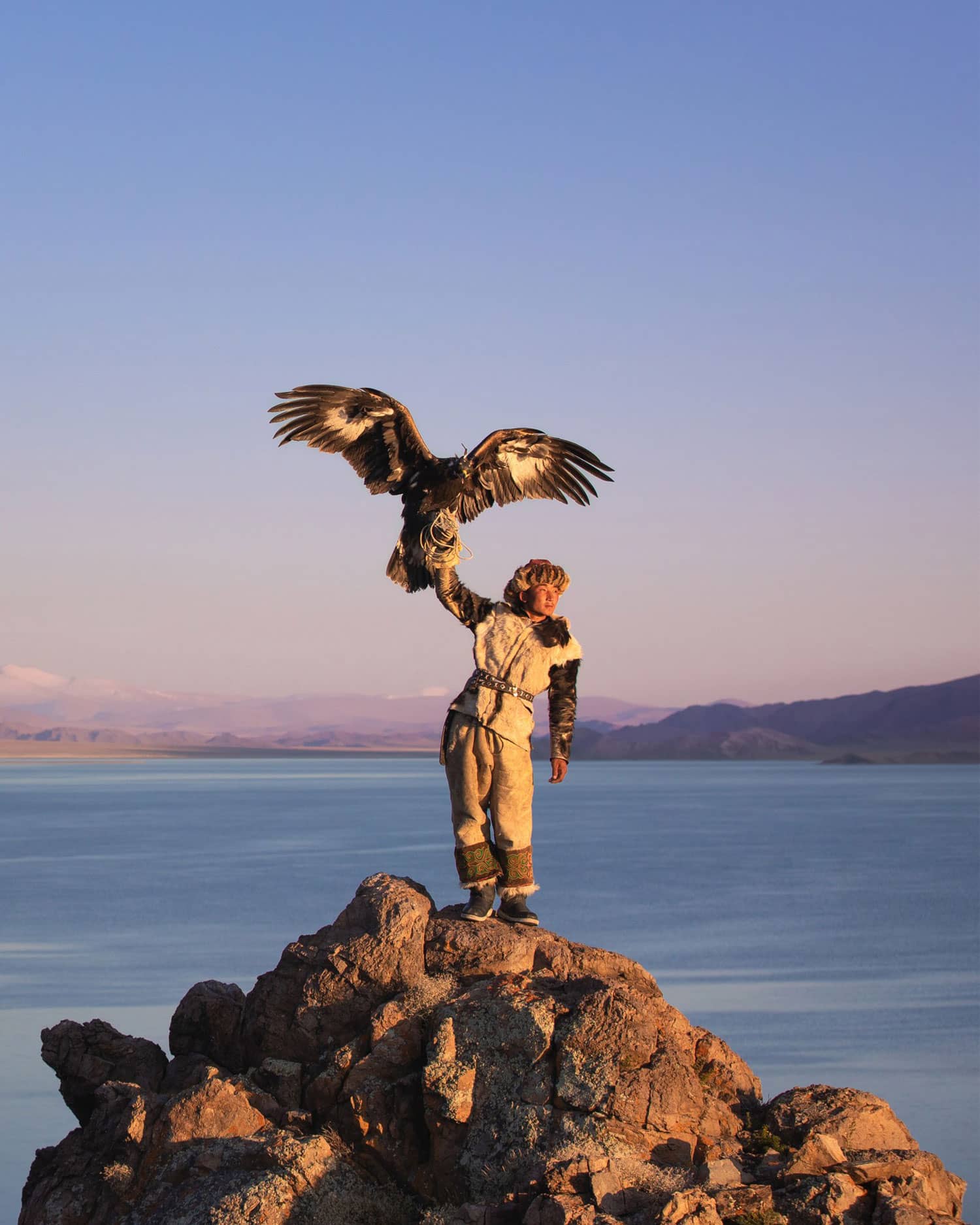

Asia is a place that refuses to be defined by just one image. Towering Himalayan peaks, wide open deserts, lush jungles, and windswept plateaus all share the same continent, yet each feels like an entirely different world. That’s part of the magic, and also why the best time to visit Asia really depends on what you want to experience. While one region might be celebrating a festival under bright blue skies, another could be blanketed in snow or refreshed by summer rains.
For travelers, the season you choose makes all the difference. It sets the stage for what you’ll see, the people you’ll meet, and the memories you’ll bring home. Maybe that’s trekking along flower-lined trails in Nepal, watching eagle hunters in Mongolia, or joining a celebration that has been carried on for centuries. The timing of your journey determines how each of these moments comes to life.
That’s where Nomadic Expeditions comes in. With decades of on-the-ground knowledge, we help travelers step into Asia at just the right moment. Our journeys are built around the seasons so that you’re not just arriving somewhere—you’re arriving when it’s at its most meaningful.
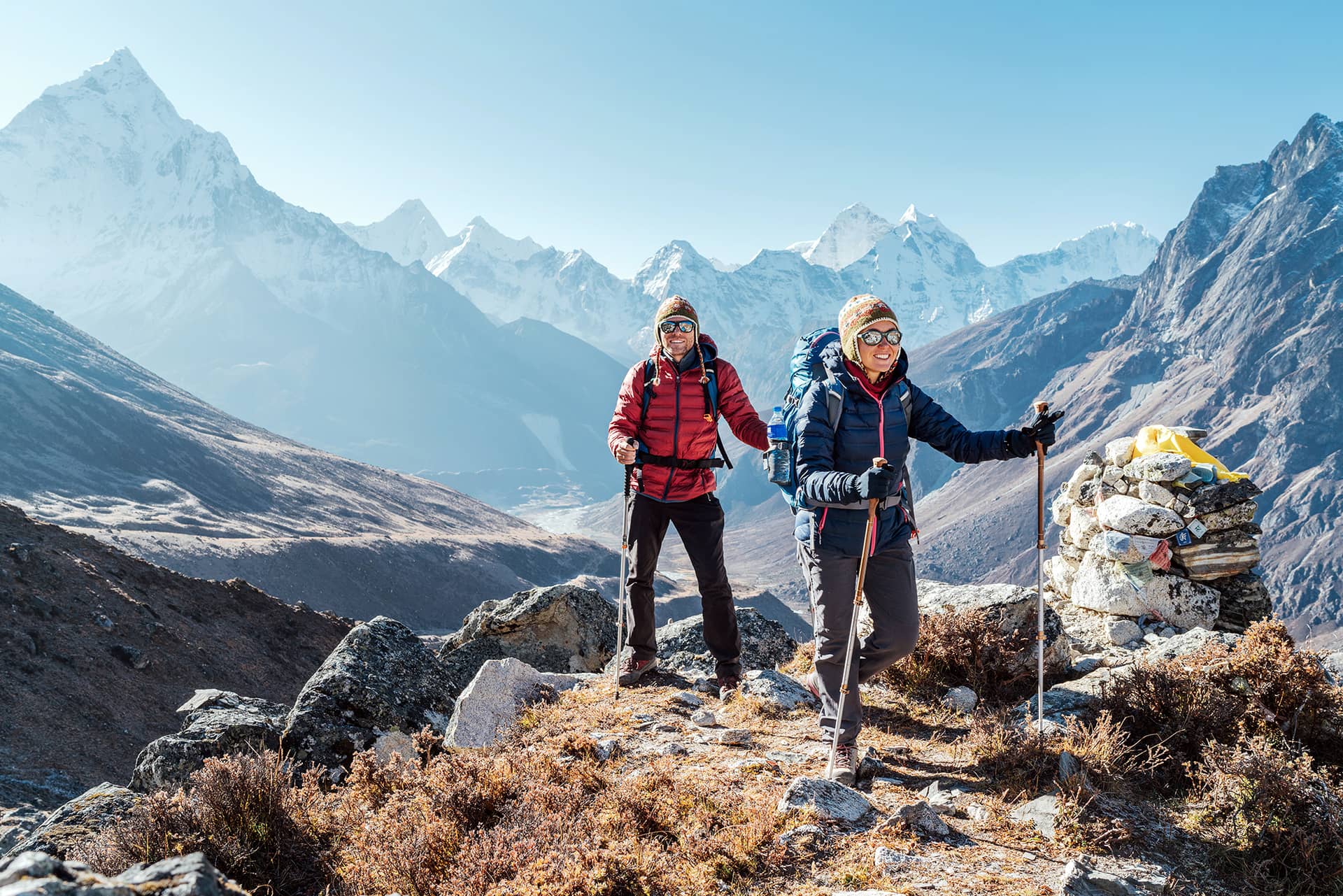
Couple following Everest Base Camp trekking route near Dughla 4620m. Backpackers carrying Backpacks and using trekking poles and enjoying valley view with Ama Dablam 6812m peak
Seasonal Guide to Exploring Asia
Asia is far too vast for one “perfect” travel season. Instead, every few months unlock something new, whether it’s clear skies over the Himalaya, festivals filling city streets, or snow turning wide valleys into hushed landscapes. Looking at the year as a whole makes it easier to see how each season shapes the experience, and how to choose the one that fits your style of travel.
Spring (March to May)
Wildflowers and warmer days mark one of the best times to visit Asia, as spring awakens landscapes across the continent. Trekking in Nepal and Bhutan becomes especially rewarding, with trails lined by blooming rhododendrons and skies that frame the Himalaya at their clearest. Spring in Asia also brings cultural color, from Holi’s joyful festival of paint in India to the renewal of Tibetan plateaus under bright skies. Even Mongolia begins its slow thaw, inviting the earliest travelers to glimpse nomadic life as it stirs back to motion.
Summer (June to August)
Clear blue skies stretch across Mongolia, making summer the most iconic season for exploring its vast steppes, camel trekking in the Gobi Desert, and joining in the exuberance of the Naadam Festival. At the same time, summer in Asia reveals fascinating contrasts. Monsoon rains sweep through much of India and Nepal, yet the high-altitude rain-shadow regions of Ladakh and Tibet open fully for exploration. Meanwhile, lush greenery fills Bhutan and Sikkim, and though rains can affect travel in the mountains, the dramatic scenery is unmatched for those who seek beauty in wild abundance.
Fall (September to November)
Autumn is considered by many travelers the best time to visit Nepal, Bhutan, and Tibet. Skies are crystal-clear, mountain trails dry, and cultural festivities at their peak. Fall in Asia is rich with celebration—Diwali transforms Indian cities into glowing beacons of light, Bhutan hosts vibrant tshechus like Thimphu’s, and Mongolia’s Golden Eagle Festival gathers nomadic hunters in the Altai Mountains. For trekkers, photographers, and cultural explorers alike, autumn offers the perfect balance of comfortable weather, unforgettable landscapes, and a sense of connection to living traditions.
Winter (December to February)
Quiet moments define winter, when much of Asia slows down into a season of reflection and beauty. In southern India and Nepal’s lowlands, sunny and mild days create ideal conditions for temple visits, river cruises, and wildlife safaris. Winter in Asia also reveals peaceful valleys in Bhutan, where crisp skies and fewer crowds make cultural exploration deeply rewarding. Mongolia transforms into a snowbound wonder, where eagle hunters ride across frozen plains, while Tibet, though cold, takes on a contemplative atmosphere perfect for travelers seeking solitude and spiritual resonance.
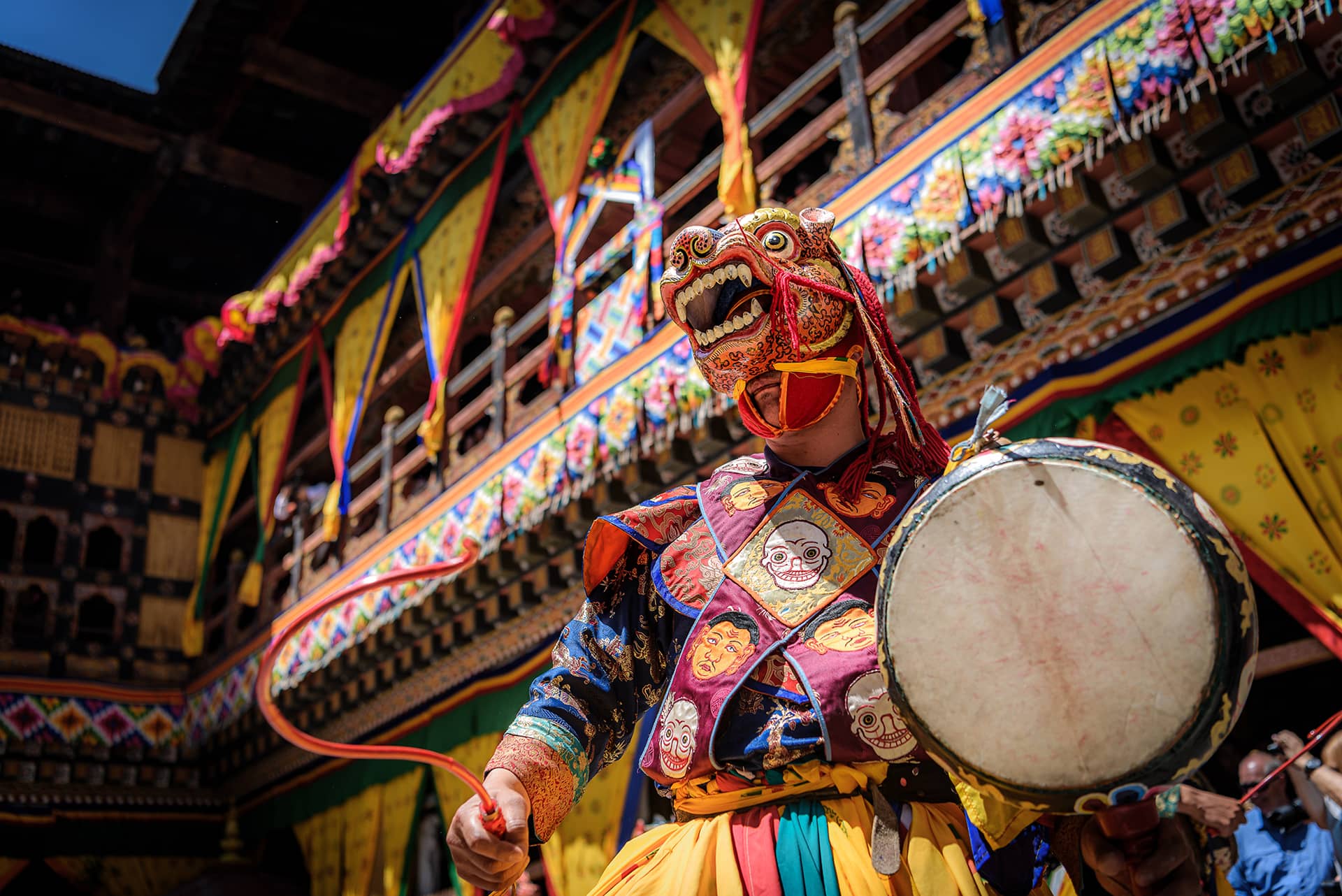
Buddhist Monk dancing and holding a drum at colourful mask dance at yearly buddhism Paro Tsechu festival in Bhutan monastery temple location.
Best Time to Visit Asia by Country
India
Timing your journey to India is essential, as the country’s vast size brings dramatic seasonal variation. From October through March, sunny skies and cooler weather make Rajasthan’s palaces, Kerala’s backwaters, and tiger-filled national parks ideal to explore. Spring bursts into life with the colors of Holi, while autumn’s Diwali celebrations illuminate entire cities. The best time to visit India also includes summer in Ladakh, when high passes open to reveal monasteries and hidden Himalayan landscapes that remain inaccessible the rest of the year.
Mongolia
Summer is when Mongolia’s legendary landscapes truly come alive. Between June and early October, the green steppe and wide skies create perfect conditions for hiking, camel trekking, and immersing yourself in nomadic culture. July’s Naadam Festival fills the country with horse racing, wrestling, and archery, while October brings the Golden Eagle Festival in the Altai Mountains. Many travelers agree that this is the best time to visit Mongolia, though winter—while harsh—offers profoundly authentic cultural experiences for those willing to brave the cold.
Nepal
Few places showcase the importance of timing more clearly than Nepal. Spring trails glow with rhododendron blossoms, while autumn skies provide unrivaled views of the Himalaya. These two windows are often considered the best time to visit Nepal, especially for trekking and cultural immersion. Festivals like Buddha Jayanti in spring or Dashain and Tihar in fall deepen the experience, adding spiritual and communal layers to the journey. For quieter explorations, winter allows peaceful days in Kathmandu or wildlife spotting in Chitwan and Bardia National Parks.
Bhutan
For those seeking mountain beauty and cultural richness, the best time to visit Bhutan is during spring and autumn. These seasons bring ideal trekking weather, from rhododendron forests in bloom to crisp, clear views of the Himalaya. Tshechu festivals during these months transform monasteries into centers of celebration, with masked dances and blessings that unite communities. In winter, Bhutan reveals a quieter charm. Valleys, temples, and villages can be explored at a gentler pace, without crowds, making it an intimate and peaceful time to experience this Himalayan kingdom.
Tibet
Travelers often find that the best time to visit Tibet is between spring and fall, when skies are consistently clear and roads are open across the plateau. This is when journeys to iconic sites like Lhasa’s Potala Palace, Mount Kailash, and Everest Base Camp are most rewarding. Summer also brings major festivals such as Saga Dawa and Shoton, offering insight into vibrant Tibetan culture. For those seeking solitude, winter offers fewer visitors and a contemplative atmosphere, though conditions are cold and require careful preparation and planning.

Sandstone formations of Bayanzag (Flaming Cliffs) is archeological dinosaur dig site in south Gobi desert, Mongolia
Tips for Choosing the Right Time for Your Adventure
Your ideal travel season ultimately depends on your goals. If you’re interested in cultural immersion, aligning your trip with festivals in Bhutan, India, or Mongolia adds powerful context. Trekking in Nepal or Bhutan is best in spring and fall, when trails are dry and views are clear. Wildlife sightings in India’s national parks are most frequent during cooler months, while photography is often best in transitional seasons when light and color shift dramatically.
Elevation is another key factor. Areas like Ladakh, Tibet, and Mongolia vary significantly in accessibility depending on snowmelt, road conditions, and seasonal weather. Each region offers something exceptional, but not always at the same time.
This is where Nomadic Expeditions adds the most value. Our custom itineraries are built around the seasons and supported by decades of on-the-ground expertise. We help you travel in rhythm with the destination, not just arrive at it.

Landscape map of Yamdrok Yongcuo in Tibet
Plan Your Asian Vacation with Confidence
The right timing can shape your journey into something extraordinary. Snowcapped peaks glowing at sunrise, ancient festivals that unite entire communities, quiet valleys alive with prayer, or golden deserts stretching endlessly to the horizon—each moment depends on traveling in season. Aligning your adventure with the rhythms of nature and culture ensures not just a trip, but a story worth carrying for a lifetime.
Ready to start your journey? Contact Nomadic Expeditions today and let us help you craft the perfect custom itinerary.