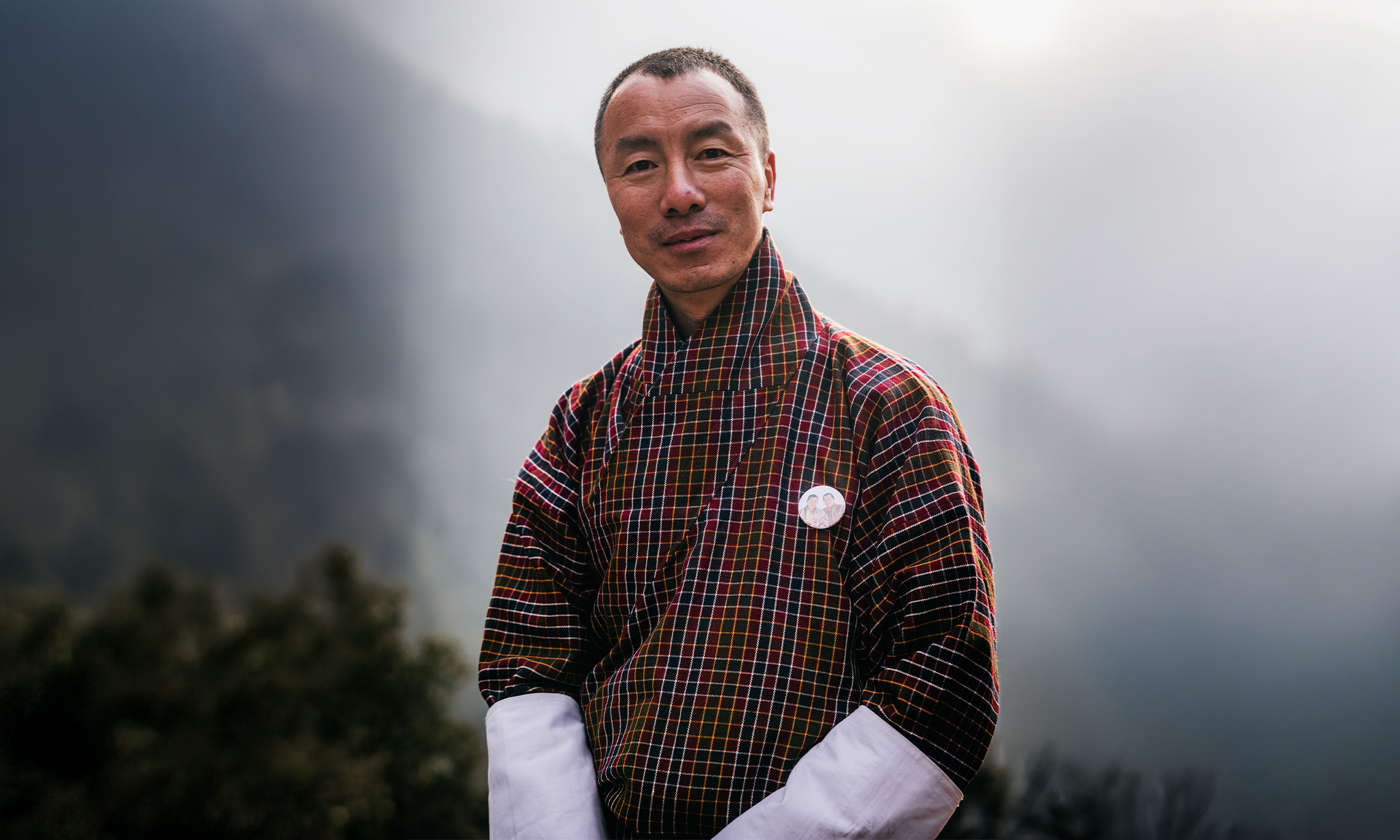
Our guide Singye reflects on what travelers should know
People often ask me what they should know before visiting Bhutan. I usually tell them it depends on the kind of traveler they are. If you’re someone who likes to plan every hour of every day, Bhutan might challenge you in the best way. This is a country that asks you to slow down, look around, and adjust with the flow of things, and if you truly let that happen, the experience tends to be much more meaningful.
One of the first things I usually mention is the pace. Travel in Bhutan isn’t rushed, and that’s exactly the point. Winding roads, sudden weather shifts, and spontaneous detours are part of what makes the journey feel alive. The mountains move at their own rhythm, and it’s worth syncing up. That means giving yourself room for longer drives between destinations, unexpected roadside moments, and an itinerary that leaves space for what you didn’t even know you needed.
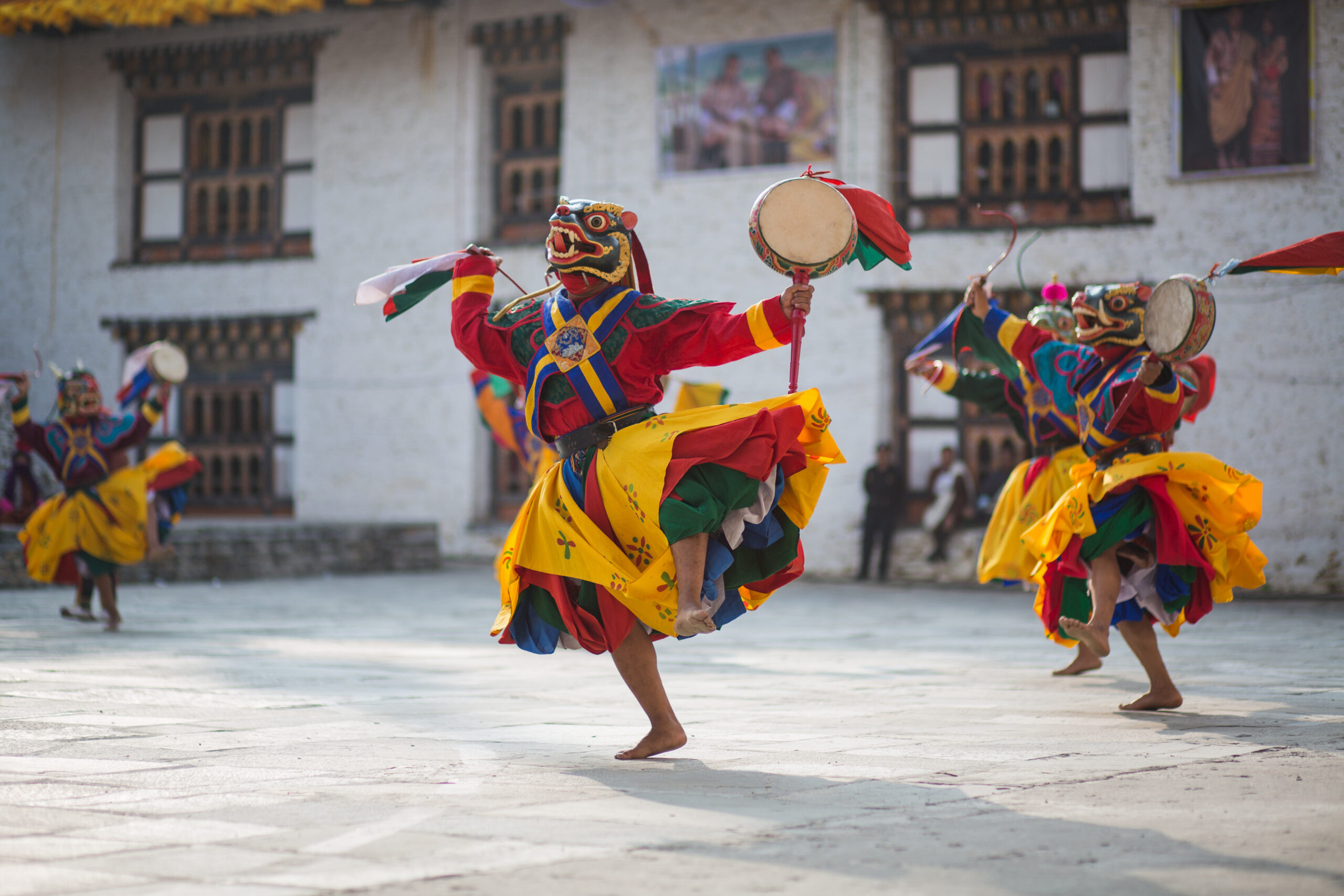
If you’re visiting Bhutan during one of our seasonal festivals, even better. These aren’t staged performances—they’re spiritual and social events deeply tied to each community. The most famous, like the Paro Tshechu, draw crowds from across the country, but smaller regional ones can feel even more personal. Dates shift each year based on the lunar calendar, so if attending one is a priority, be sure to plan ahead and talk with a company like Nomadic Expeditions.
Packing also looks a little different here. Temperatures can swing wildly, especially in the mountains, so layering is your best friend. Early mornings and late evenings tend to be cool, even in summer, while midday sun can be surprisingly intense at altitude. Don’t forget sunscreen, a hat, and good walking shoes because you’ll likely find yourself on temple steps, farm paths, or hillside trails without realizing just how far you’ve wandered off.
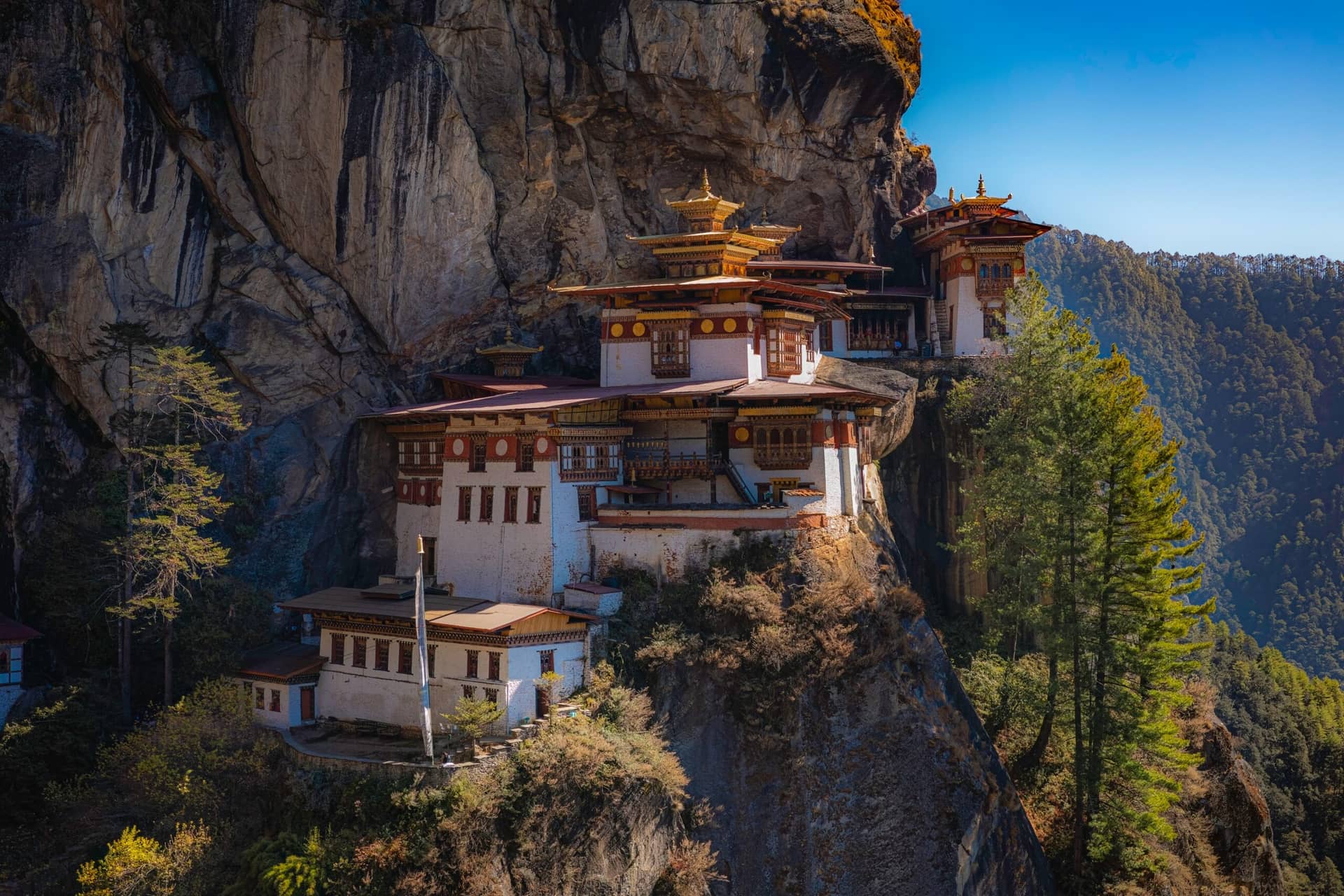
For those curious about what a typical day looks like, the answer is: there isn’t one. Visiting Bhutan means letting go of rigid expectations. Some days start with a hike to a cliffside monastery and end with a hot stone bath and conversation by the fire. Others might be slower, spent wandering a local village, sipping butter tea with a family, or learning how to make momos. No two trips feel the same, and that’s honestly part of the magic.
Three- and four-star accommodations are common, but the hospitality shines regardless of star rating. That’s part of the culture as Bhutanese hosts take genuine pride in making you feel welcome. Meals are often shared, and if you’re lucky, you’ll get a homemade chili cheese dish that stays with you longer than most souvenirs. Dietary restrictions? No problem—just communicate clearly with your guide in advance and they’ll help smooth it out.
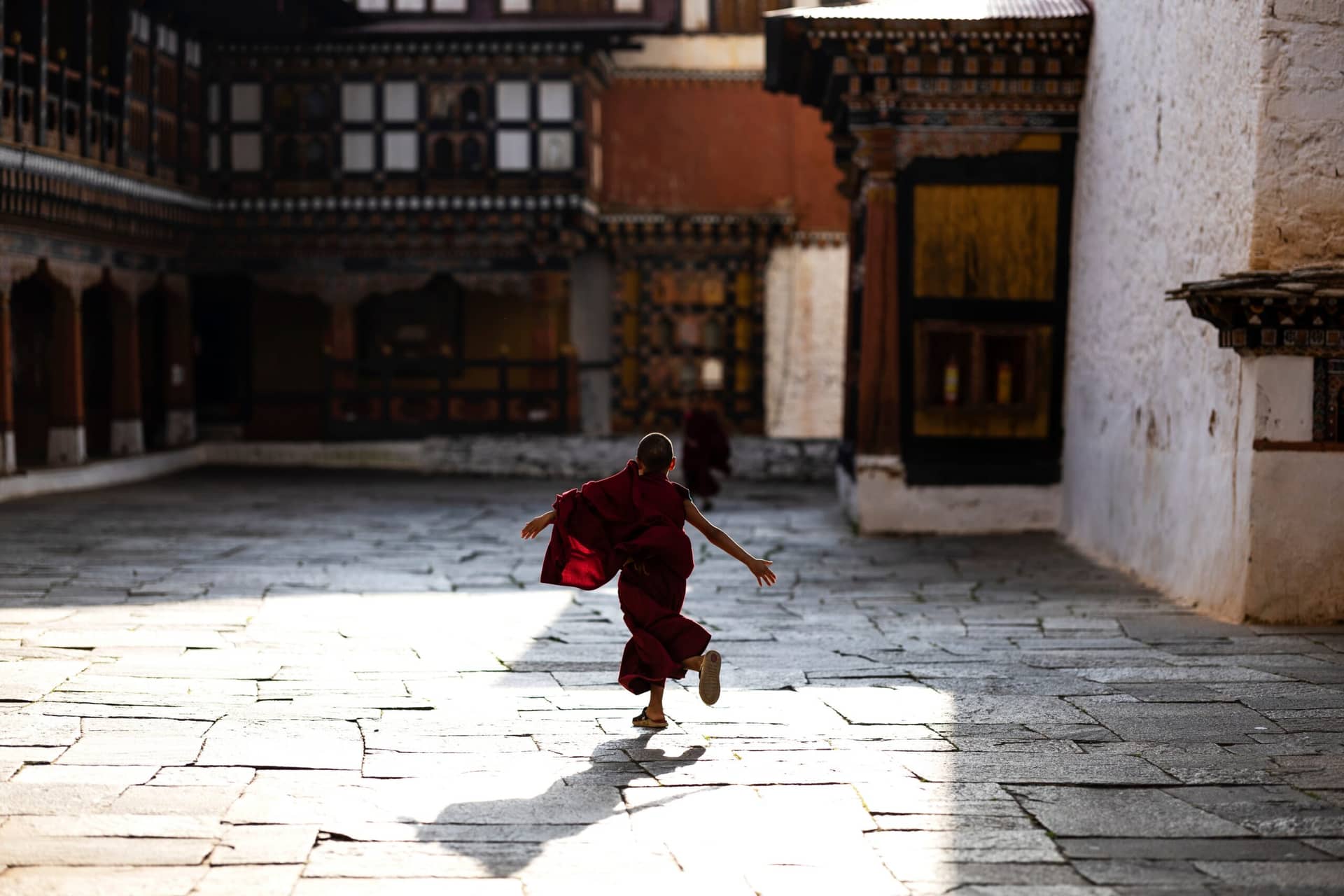
And about your guide—yes, you’ll absolutely need one. Not because you can’t find your way, but because Bhutan doesn’t believe in mass tourism. It’s built a travel model that values cultural integrity, environmental preservation, and meaningful exchange. Your guide isn’t just a translator or navigator. They’re your bridge to local stories, traditions, and nuance you’d never catch otherwise. The relationship often ends up being one of the most meaningful parts of the trip.
If you come here trying to control every detail, the country might feel a bit confusing. But if you arrive open to how it unfolds, Bhutan has a way of meeting you exactly where you are. The quiet beauty, the sense of reverence in daily life, and the people you meet along the way all work together to leave a deeper imprint than you expect.
Visiting Bhutan won’t look like any trip you’ve taken before. It’s softer in pace, richer in moments, and rooted in something that’s hard to name. And, as I said, that’s really the whole point.