Why Small Group Travel Creates More Meaningful Journeys
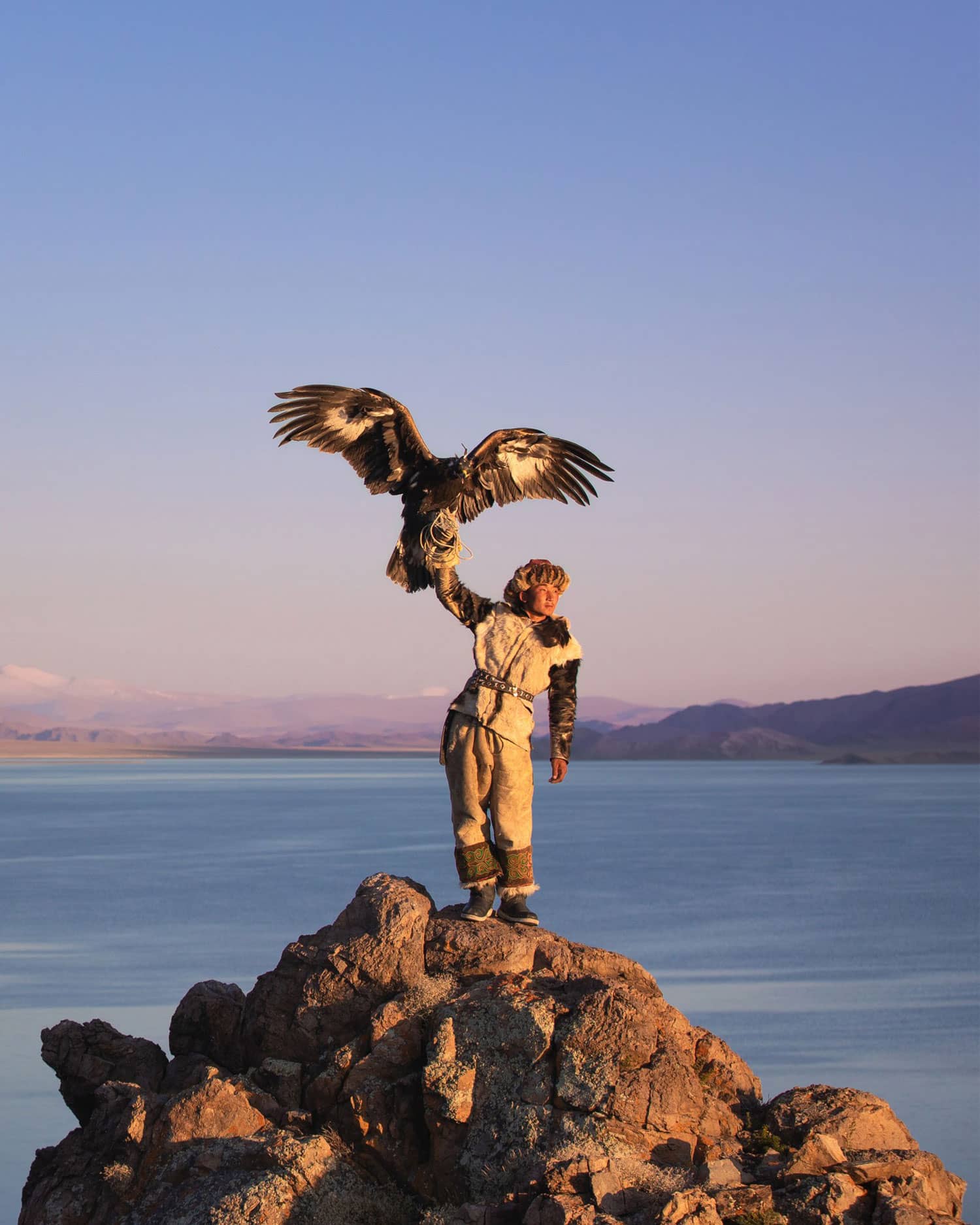
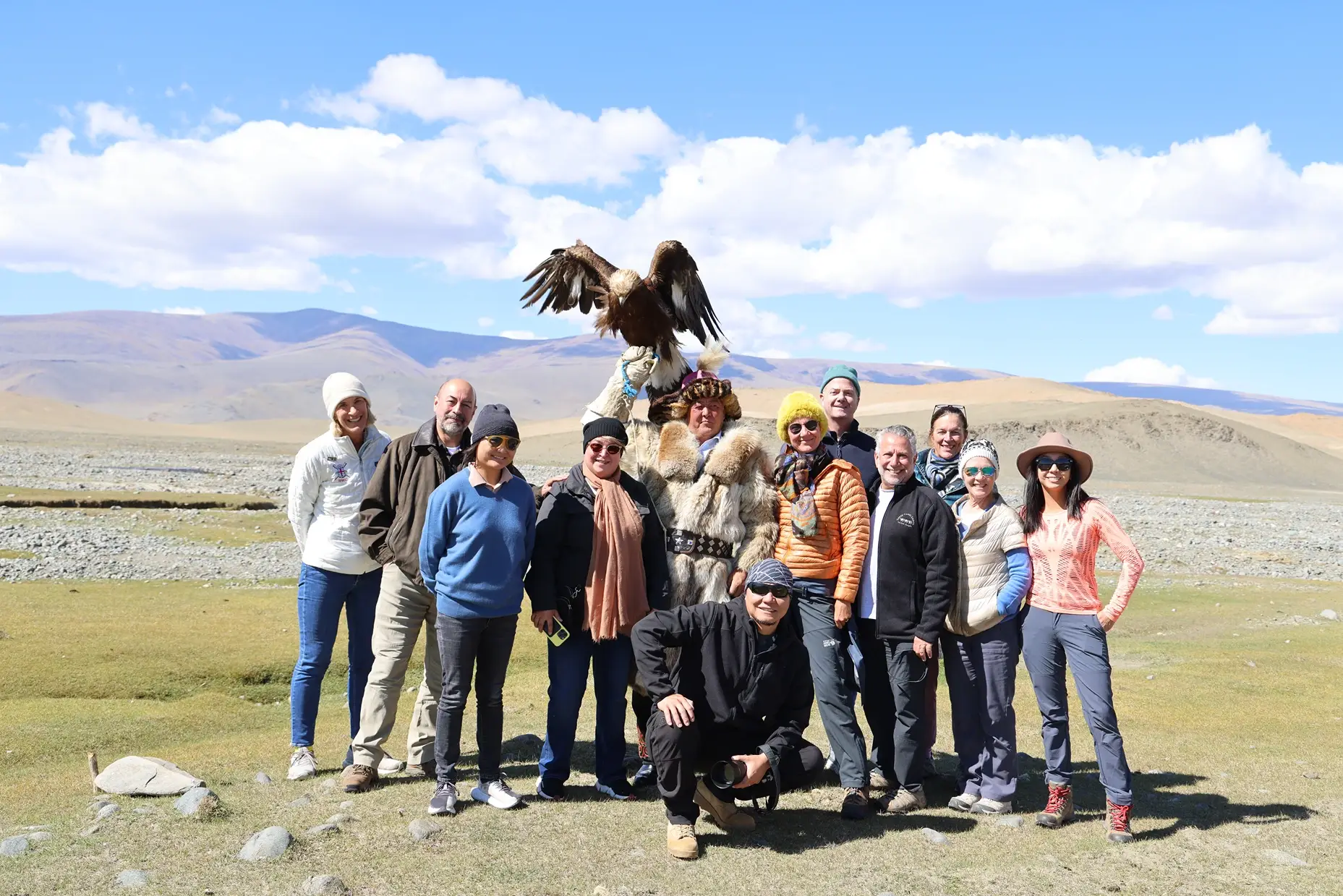
A traveler returned from Mongolia and, when asked about the highlights of the journey, did not begin with the Gobi Desert. They did not mention the eagle hunters of the Altai Mountains, the ancient monasteries, or the nights spent beneath a sky so clear that the Milky Way seemed close enough to touch.
Instead, they wrote about the people.
“One thing out of your control and yet one of my favorite part was the quality and cohesiveness of our groups of 12 strangers,” they reflected after returning home. “Each person was curious, courteous, flexible, fun and respectful. I cannot imagine a better group of strangers to spend 2 weeks with.”
Travel has a way of compressing time. Years later, people rarely remember an itinerary from beginning to end. Instead, they remember fragments: a conversation over dinner, an unexpected question, the feeling of arriving somewhere they had imagined for years and finding it more compelling than they expected.
Those memories reveal something that travelers often discover only after a journey begins. The places matter enormously, but the way those places are experienced matters too.
Today, “small group travel” has become one of the most common phrases in the travel industry. The definition, however, varies considerably. Some departures marketed as small groups may include twenty, thirty, or even forty travelers.
Nomadic Expeditions vs. mainstream tour operators
| Feature | Standard “Small Group” Tours | Nomadic Expeditions |
|---|---|---|
| Max Group Size | 20 – 40 Travelers | Capped at 14 Travelers |
| Cultural Encounters | Structured group presentations | Private visits in local family gers & homes |
| Guide Interaction | Listening from the back of a crowd | Direct, ongoing 1-on-1 dialogue |
| Local Impact | Large coach buses; high foot-traffic | Low-footprint vehicles & local economic support |
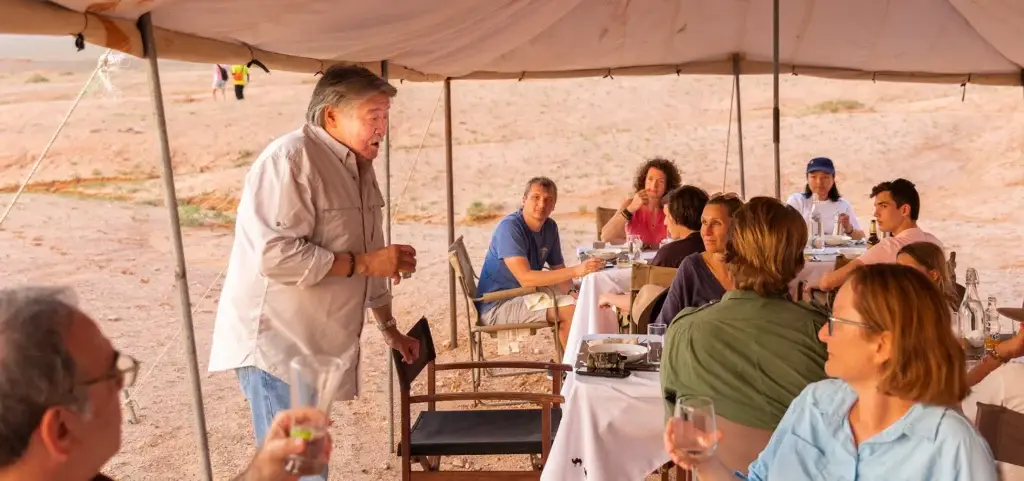
At Nomadic Expeditions, every group journey is limited to fourteen travelers. The reasoning has little to do with exclusivity. It reflects a belief that the most rewarding travel experiences happen when there is room for genuine engagement, whether that means a conversation with a guide, time spent with a local host, or an unexpected connection with a fellow traveler.
The Connections You Make on Small Group Travel Tours
By the time a journey begins, most travelers have already visited the destination dozens of times in their minds. They have studied maps, followed routes, read histories, and imagined what it might feel like to finally stand in a place that has occupied their attention for months, sometimes years.
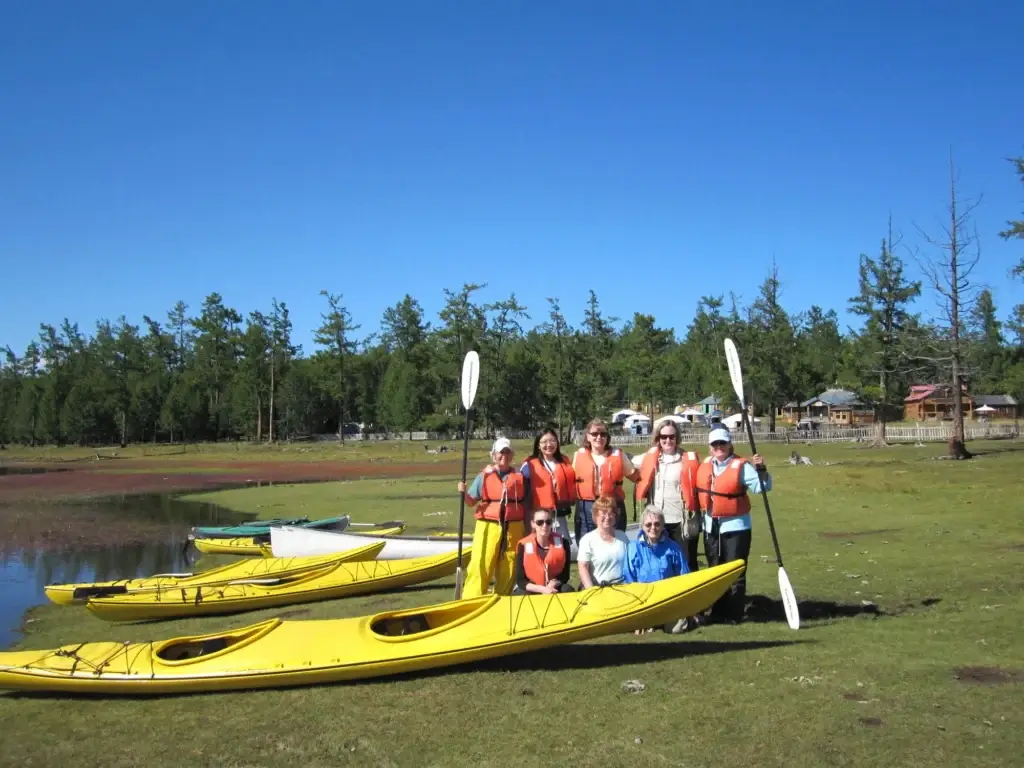
Yet memory has a way of rearranging priorities. The places that inspire a journey remain important, but they are rarely remembered in isolation from the people who helped bring them to life.Nobody books a journey because they are excited to meet eleven strangers. Yet it is remarkable how often those strangers become part of the story people tell when they return home. The shift is gradual. It happens over shared meals, long drives, and conversations that begin with the destination before wandering elsewhere. Someone points out a bird in the distance and discovers they are traveling with an avid birder. A discussion about history stretches beyond dinner. A passing observation about a landscape sparks a debate that continues the following day.The groups themselves are rarely uniform. Travelers arrive from different countries, professions, and stages of life, often with very different reasons for choosing the same journey. One guest, reflecting on a Mongolia departure that brought together a wide range of ages and backgrounds, noted that “our group got along great from the beginning.”
Part of that chemistry may come from the destinations themselves. Journeys through places such as Mongolia, Bhutan, Tibet, and the Eastern Himalaya tend to attract travelers who share a similar outlook, even if their lives have taken very different paths. They are often curious by nature, willing to embrace uncertainty, eager to experience unfamiliar cultures and cuisines, and genuinely interested in learning from the people who call these places home. Those shared qualities become a common thread, creating space for conversations that feel open, thoughtful, and surprisingly easy from the very beginning.
What makes comments like that noteworthy is not simply that people enjoyed one another’s company. It is that the group became part of the experience itself. Travelers arrive focused on a destination. They leave with a richer understanding of that destination, shaped in part by the perspectives of the people who experienced it alongside them.
How Small Group Sizes Enhance Your Relationship with Local Guides
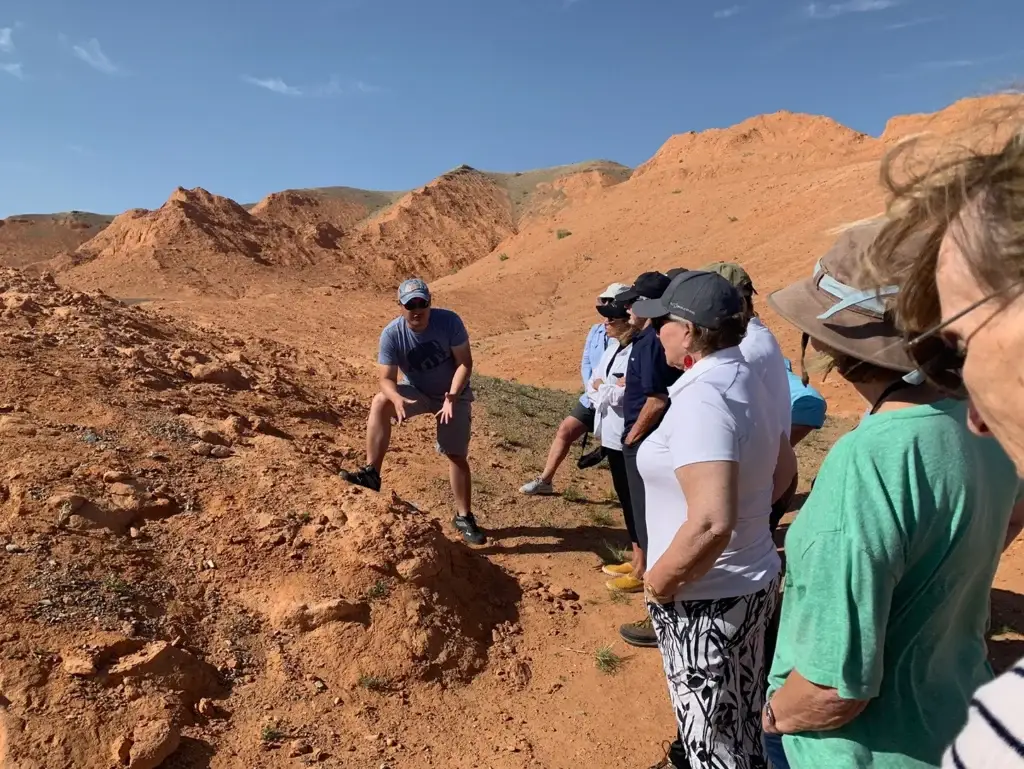
One of the less obvious advantages of traveling in a small group is the relationship that develops between travelers and guides over the course of a journey.
Smaller groups create more opportunities for genuine interaction. Guides quickly learn who is fascinated by history, who is constantly scanning the horizon for wildlife, and who never lets an interesting question go unanswered. Conversations that begin during a morning drive often continue over lunch or resurface later in the day. What starts as a brief explanation can evolve into a much deeper discussion because there is time and space to follow the thread.
Travelers notice the difference. Across recent evaluations, guides are mentioned repeatedly, not only for their knowledge but for their attentiveness and engagement. One traveler described Alma as “one of the best leaders I’ve met around the world,” while another praised their guide for going “above and beyond” throughout the journey.
The best guides do more than share information. They provide context, perspective, and insight that transforms a place from something seen into something understood. In a smaller group, that exchange feels personal. Travelers are not listening from the back of a crowd. They are participating in an ongoing conversation.
Meet Our Local Leaders: Read about our Expedition Leaders to see how our guides personalize every departure.
Authentic Cultural Immersion vs. Big Tour Bus Travel
One of the greatest advantages of small group travel is that it changes the way travelers experience the people they meet along the way.
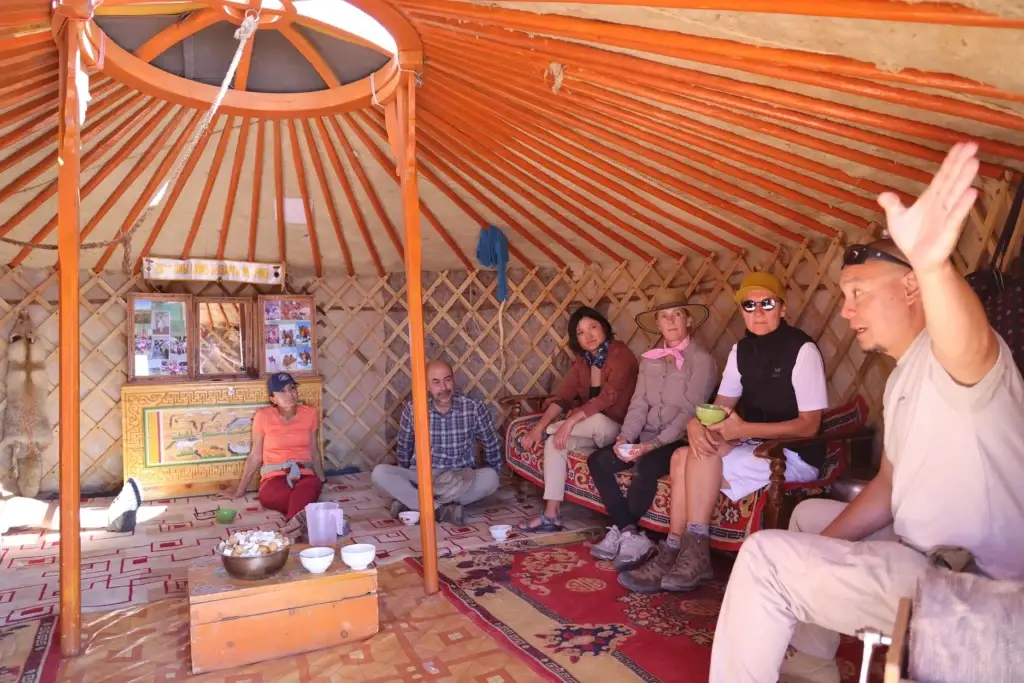
Across Asia, many memorable encounters take place in family homes, monasteries, community spaces, and working landscapes where daily life continues regardless of who happens to be visiting. These are not environments built for large groups.
A group of fourteen arrives differently than a group of forty.
The difference is not simply logistical. It shapes the interaction itself. Questions can move naturally around a room. Conversations have room to develop. Hosts can engage directly with travelers rather than address a crowd.
Beyond creating authentic personal connections, small groups have a direct economic benefit. According to industry studies by the Adventure Travel Trade Association (ATTA), approximately 75% of trip revenue from small group adventure travel stays directly within the local destination economy, supporting local families, drivers, and artisans rather than mass-chain infrastructure.
Over the years, we have found that some of the most rewarding moments of a journey happen when visitors are welcomed as guests rather than processed as part of a larger group. The places may be the same, but the experience of being there often feels very different.
Why 14-Person Group Caps Matter to Travelers
Reading through traveler evaluations, one comment stands out for its simplicity.
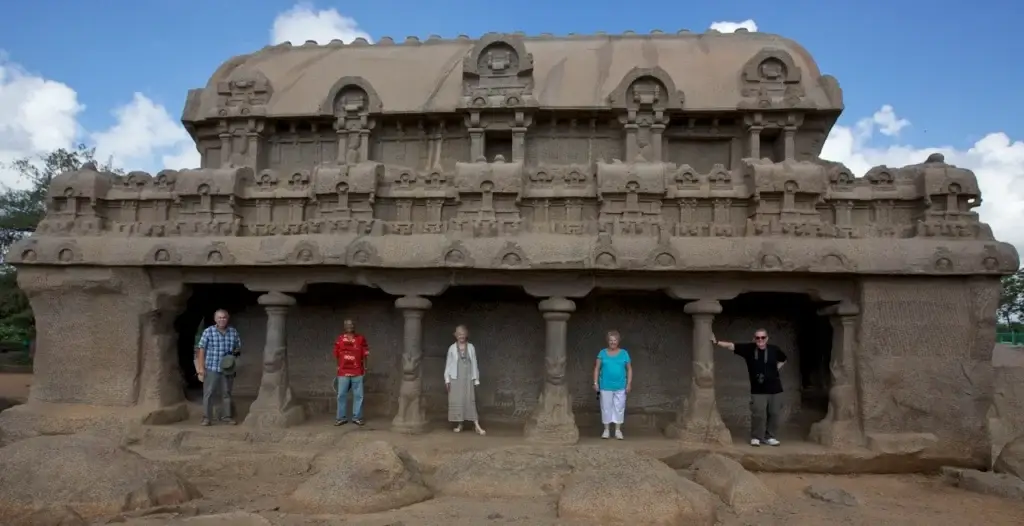
Asked why they had given their journey a perfect score, a guest included three words among their reasons: “Small size group.”
The response is brief, almost understated. Yet it captures something that appears throughout years of traveler feedback.
People remember extraordinary places. They remember the vastness of the Gobi, a monastery perched above a Himalayan valley, or an evening spent beneath unfamiliar stars. Just as often, they remember the conversations that helped them understand those places, the guides who brought them to life, and the fellow travelers who shared the experience.
Those memories are not separate from the destination. They become part of it.
For decades, Nomadic Expeditions has designed journeys around the belief that travel is most rewarding when there is room for genuine engagement. Not because smaller groups are inherently better, but because some experiences become more personal, more immersive, and more memorable when they unfold at a human scale.
The destination may be what first inspires the journey. What travelers carry home is often much harder to predict.
Frequently Asked Questions About Small Group Travel
What is considered a true “small group” in travel?
While many tour operators label groups of 20 to 40 travelers as “small group travel”, authentic small group travel typically caps departures at 12 to 16 guests. At Nomadic Expeditions, every group departure is strictly capped at 14 guests to ensure a low-impact footprint and meaningful cultural engagement.
Is small group travel good for solo travelers?
Yes. Small group travel is one of the best choices for solo travelers seeking safety, logistical support, and natural camaraderie. Because our groups share common interests in culture, photography, and adventure, solo travelers frequently report feeling welcomed from day one.
How does small group size affect local cultural experiences?
Large tour buses cannot physically or culturally access intimate settings like family homes, monasteries, or nomadic camps. A group of 14 can sit inside a host family’s home, share meals, and ask direct questions without overwhelming the local hosts.
Why is small group travel ideal for remote destinations like Mongolia or Bhutan?
Navigating remote terrain, such as the Gobi Desert or the Himalayan valleys, requires logistical flexibility. Smaller groups travel efficiently in 4×4 vehicles, adapt quickly to weather changes, and receive personalized attention from experienced local guides throughout the expedition.
Ready to Experience Travel on a Human Scale?
Explore our upcoming Small Group Expeditions to Mongolia, Bhutan, and Beyond, strictly capped at 14 guests to ensure authentic, immersive, and personal journeys.